


Your Health Solution


Health & Wellness
10 Effective Ways to Manage GERD in Daily Life

Feb 02, 2026
Marketing
10 Effective Ways to Manage GERD in Daily Life
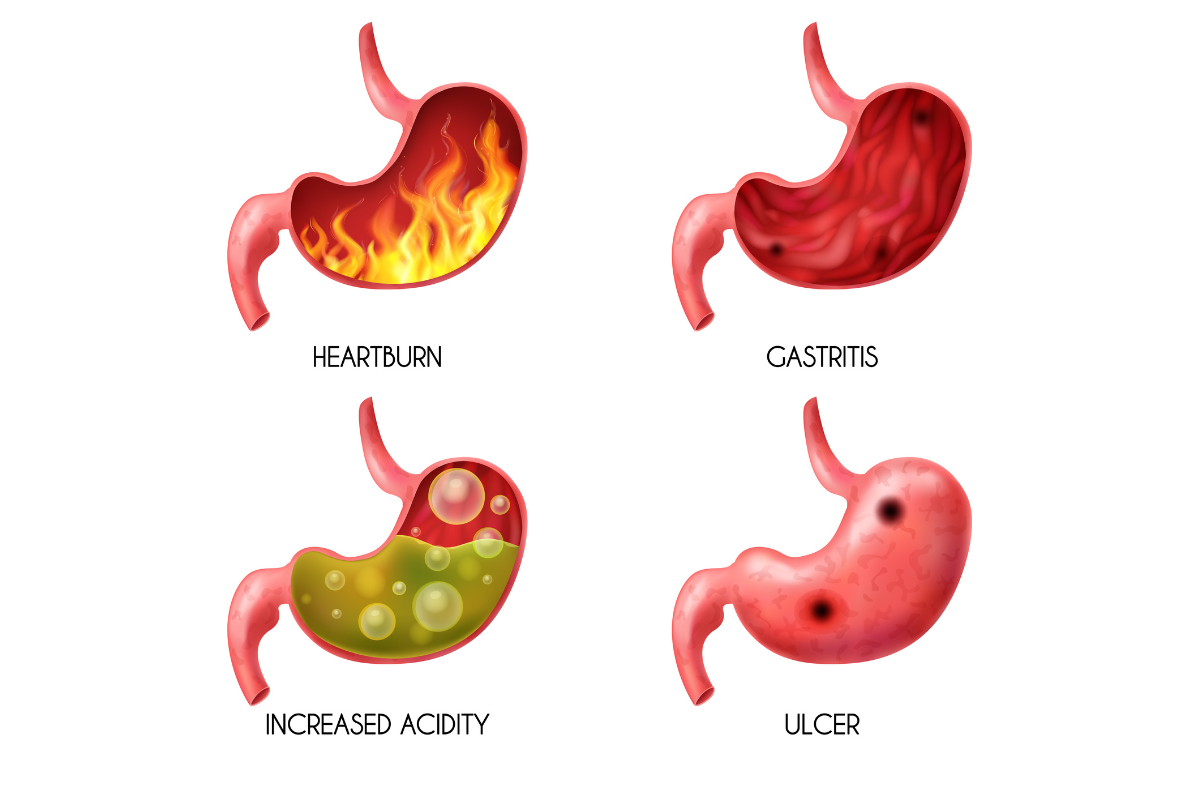
Gastroesophageal Reflux Disease (GERD) is a common digestive condition related to stomach acid reflux that affects people of all ages. It occurs when stomach acid repeatedly flows back into the esophagus, causing symptoms such as heartburn, chest discomfort, nausea, bloating, and a sour or bitter taste in the mouth. In destinations like Ubud, Bali where lifestyle changes, travel routines, and stress levels often vary GERD has become one of the most frequently reported digestive diseases among both local residents and international travelers.
At Kenak Medika Hospital Ubud, GERD is managed through a comprehensive medical approach that prioritizes patient safety, comfort, and long-term quality of life. Whether you are a local resident, traveler, or expat living in Bali, understanding how to manage GERD effectively is essential to maintaining daily wellbeing.
Understanding GERD and Its Connection to the Stomach
GERD is not the same as ordinary stomach discomfort. This disease is primarily caused by the weakening of the Lower Esophageal Sphincter (LES), a muscle that acts as a valve between the stomach and the esophagus. When the LES fails to close properly, stomach acid can move upward, irritating the esophageal lining.
Many patients confuse GERD with gastritis or indigestion. The difference between GERD and gastritis lies in the mechanism: gastritis involves inflammation of the stomach lining, while GERD involves acid reflux due to LES dysfunction. Misunderstanding this distinction often leads to improper treatment and recurring symptoms.
How Is GERD Treated Medically?
Medical treatment for GERD depends on symptom severity and the patient’s stomach condition. In early stages, lifestyle modification is often recommended as the first step. If symptoms persist, medications may be prescribed to reduce stomach acid production and protect the esophagus.
Common GERD treatments include antacids, H2 blockers, and proton pump inhibitors (PPIs), which are prescribed based on clinical evaluation. At Kenak Medika Hospital Ubud, treatment plans are tailored individually, ensuring safe and effective care for local patients as well as international travelers seeking reliable medical services in Bali.
What Is the Fastest Way to Relieve GERD Symptoms ?
When GERD symptoms flare up, immediate relief can sometimes be achieved through simple actions. Sitting upright after meals, avoiding lying down, and wearing loose clothing around the abdomen can help reduce acid reflux. Drinking plain or warm water may temporarily soothe the esophagus.
However, fast relief methods should not replace proper medical evaluation. Frequent or severe GERD symptoms may indicate the need for professional diagnosis and treatment.
If GERD symptoms occur regularly, medical consultation is strongly recommended. Check the doctor schedule at Kenak Medika Hospital Ubud for proper evaluation.
How to Control Stomach Acid Through Diet
Controlling stomach acid is a key part of managing GERD. Eating smaller, more frequent meals and maintaining regular meal times can help prevent acid buildup. Foods that are spicy, fatty, acidic, or high in caffeine should be limited, as they may trigger reflux.
On the other hand, fiber-rich foods, vegetables, oatmeal, and certain fruits are generally easier on the stomach. Choosing appropriate beverages is also important. Water and non-caffeinated herbal teas are commonly recommended drinks for GERD patients, especially for travelers adapting to new eating patterns in Bali.
Managing GERD Through Lifestyle Changes
Lifestyle habits play a significant role in GERD management. Smoking and alcohol consumption are known to weaken the LES and worsen reflux symptoms. Reducing or eliminating these habits can significantly improve stomach health.
Maintaining a healthy body weight is equally important, as excess abdominal pressure can increase acid reflux. Light physical activities such as walking or yoga—popular lifestyle practices in Ubud—can support digestive health without aggravating GERD symptoms.
Natural Approaches to Support GERD Treatment
Many patients explore natural remedies as supportive options for GERD management. Ingredients such as ginger and honey are commonly used due to their soothing effects on the stomach. When consumed in moderation, these natural options may help relieve mild symptoms.
It is important to note that natural remedies should complement, not replace, medical treatment. Every stomach condition is different, and professional medical guidance ensures safe and effective care.
Can GERD Be Completely Cured ?
A common question among patients is whether GERD can be completely cured. Medically, GERD is considered a chronic condition that can be well controlled rather than instantly cured. With proper treatment, lifestyle adjustments, and consistent management, many patients experience significant symptom relief and lead normal daily lives.
At Kenak Medika Hospital Ubud, the goal of GERD treatment is long-term symptom control, prevention of complications, and improvement of overall quality of life.
Managing GERD Anxiety and Stress
GERD is often linked to emotional factors such as stress and anxiety. GERD-related anxiety can increase stomach acid production and intensify symptoms, creating a challenging cycle for patients.
Stress management techniques such as relaxation exercises, meditation, adequate sleep, and emotional support can play an important role in GERD management. Ubud’s calm environment often supports patients seeking balance between physical and mental health.
Why Is GERD Difficult to Heal ?
GERD can be difficult to manage because it involves multiple contributing factors, including LES weakness, dietary habits, lifestyle patterns, and psychological stress. Additionally, stopping treatment prematurely when symptoms improve often leads to relapse.
Long-term commitment to medical advice and lifestyle changes is essential for successful GERD control.
How Long Does GERD Take to Heal and When to See a Doctor?
The recovery timeline for GERD varies from person to person. Mild cases may improve within a few weeks, while chronic conditions may require ongoing management. Warning signs such as persistent chest pain, difficulty swallowing, or unexplained weight loss should never be ignored.
Hospitals in Ubud, such as Kenak Medika Hospital, provide trusted medical services for GERD diagnosis and treatment, serving both local residents and international patients in Bali.
Conclusion: Managing GERD with the Right Medical Support
Managing GERD effectively involves more than relieving symptoms—it requires understanding the disease, controlling stomach acid, and adopting sustainable lifestyle habits. With professional medical guidance and a patient-centered approach, GERD can be managed safely and effectively.
Kenak Medika Hospital Ubud is committed to providing reliable medical care for GERD patients, offering international-standard services for locals, travelers, and expats in Bali.
Do not ignore recurring acid reflux symptoms.
Check the doctor schedule and consult with our medical team at Kenak Medika Hospital Ubud today.
You may also enjoy

Oct 02, 2026
blog-writer



Sep 15, 2026
blog-writer

Online Appointments
Online Appointment and Prescriptions
Now, you can book a limited amount of doctors appointmentonline
© 2026 Kenak Medika Hospital. All rights reserved.
Powered by Finitree Indonesia