


Your Health Solution

Health & Wellness
What Is Bell’s Palsy ? Let’s Understand the Symptoms of One-Sided Facial Paralysis
Mar 26, 2026
Marketing
What Is Bell’s Palsy ? Let’s Understand the Symptoms of One-Sided Facial Paralysis
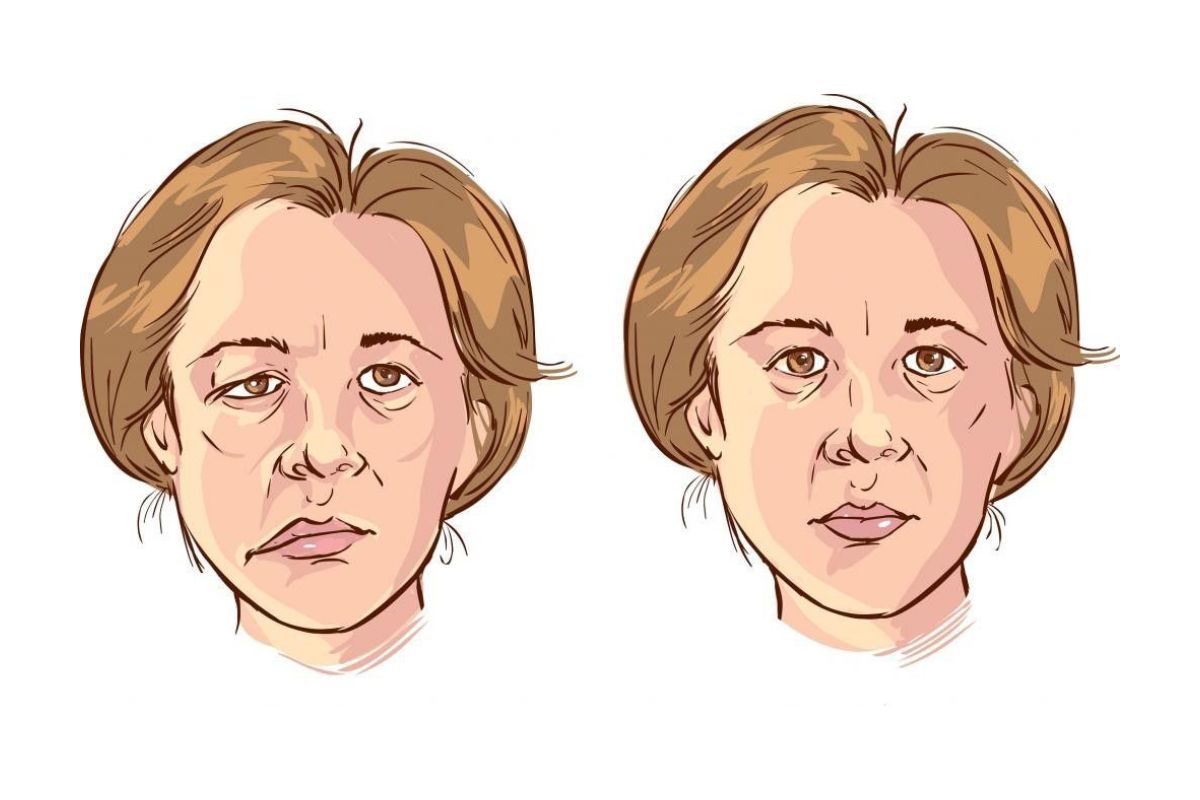
Bell’s Palsy is a medical condition that causes temporary weakness or paralysis of the facial muscles, usually affecting one side of the face. This condition often appears suddenly and can be alarming due to the noticeable facial changes in a short time. Many people associate it with stroke, but Bell’s Palsy has different characteristics and is generally not permanent if treated properly.
In medical terms, Bell’s Palsy is linked to a disorder of the facial nerve (facial nerve paralysis). This nerve controls facial expressions such as smiling, blinking, and raising eyebrows. When inflammation occurs, nerve function is disrupted, leading to facial muscle weakness. Understanding the causes, symptoms, and recovery process is essential for proper treatment by a neurologist.
In Indonesia, access to healthcare is improving, including consultations with a neurologist at facilities like Kenak Medika Hospital . With support from BPJS Health, patients can receive examinations and treatment at a more affordable cost.
What Is Bell’s Palsy and Why Does It Happen ?
Bell’s Palsy occurs due to inflammation of the facial nerve, usually affecting one side of the face. It can affect people of all ages.
Although the exact causes are not fully known, viral infections such as herpes simplex are believed to trigger inflammation. This leads to swelling of the nerve, restricting signal transmission to facial muscles.
As a result, symptoms such as facial stiffness, drooping, and difficulty moving facial muscles may occur.
If you experience symptoms, please check the neurologist schedule at Kenak Medika Ubud ( Click link here ).
Causes of Bell’s Palsy
The causes of Bell’s Palsy are often linked to viral infections such as herpes simplex, varicella-zoster, and influenza. Other contributing factors include weakened immunity, stress, fatigue, and exposure to cold air.
Certain conditions like diabetes, pregnancy, and respiratory infections can increase the risk. A neurologist will evaluate the patient to determine the underlying causes.
Symptoms to Watch Out For
Symptoms usually appear suddenly within 24–48 hours, including:
- Facial drooping on one side
- Difficulty closing one eye
- Trouble smiling
- Drooling
- Loss of taste
- Mild ear pain
If these symptoms appear, consult a neurologist immediately.
Difference Between Bell’s Palsy and Stroke
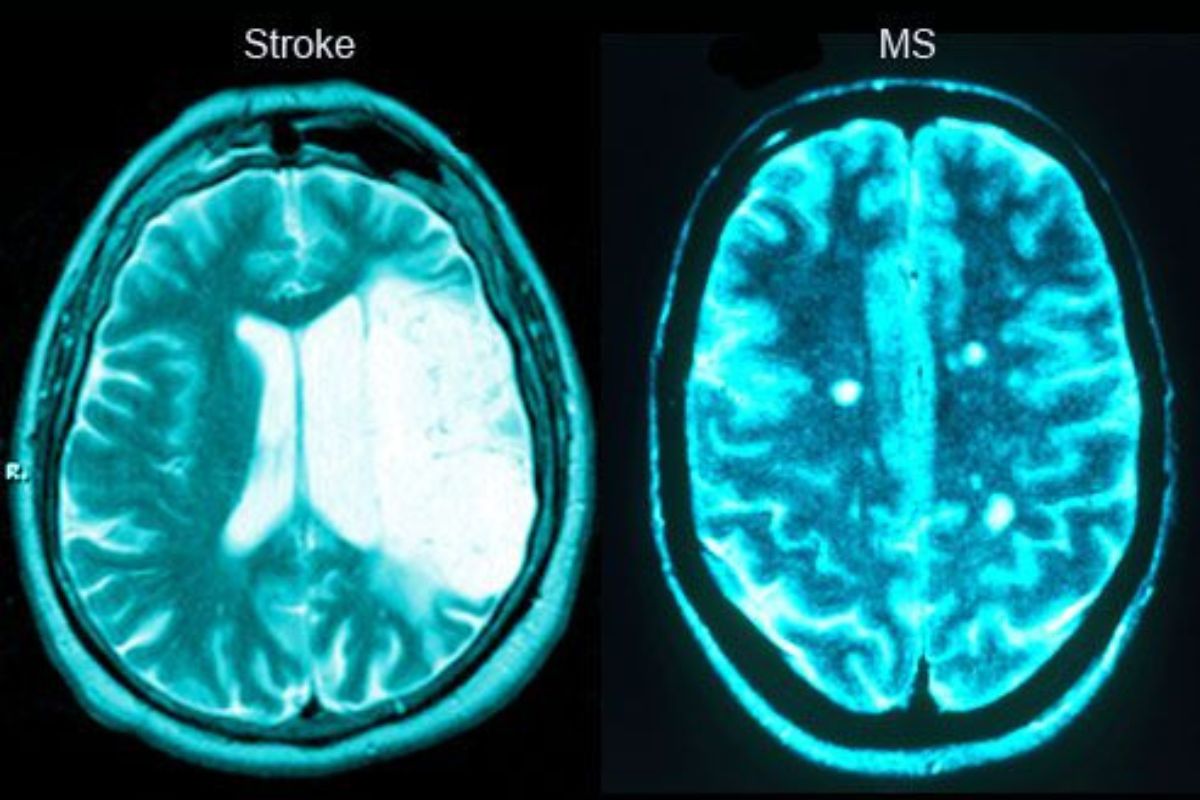
Bell’s Palsy affects only the face, while stroke often involves weakness in limbs, speech difficulties, and reduced consciousness. Proper diagnosis by a neurologist is essential.
When Should You See a Neurologist ?

You should seek medical attention if you experience:
- Sudden facial paralysis
- Difficulty closing eyes
- Noticeable facial asymmetry
- Ear or jaw pain
Early treatment improves recovery outcomes. Services at Kenak Medika Hospital are supported by BPJS Health.
For more information, you can make a reservation ( Click link here ).
Diagnosis of Bell’s Palsy
Diagnosis is based on clinical examination. Additional tests like MRI or CT scan may be performed to rule out other conditions.
Treatment of Bell’s Palsy
Treatment includes:
- Corticosteroids
- Antiviral medication
- Physical therapy
- Eye care
Early treatment improves recovery chances.
Recovery and Management
Most patients recover within weeks to months. Consistent therapy and self-care are essential for optimal recovery.
Prevention
While not always preventable, steps include:
- Maintaining immunity
- Managing stress
- Adequate rest
- Healthy lifestyle
Conclusion
Bell’s Palsy is a temporary condition that can be treated effectively with early diagnosis and proper care. Consult a neurologist at Kenak Medika and utilize BPJS Health services for accessible treatment.
You may also enjoy

Oct 02, 2026
blog-writer



Sep 15, 2026
blog-writer

Online Appointments
Online Appointment and Prescriptions
Now, you can book a limited amount of doctors appointmentonline
© 2026 Kenak Medika Hospital. All rights reserved.
Powered by Finitree Indonesia