


Your Health Solution


Health & Wellness
Monkeypox: Symptoms, Causes, Transmission, and When to See a Doctor
Apr 27, 2026
Marketing
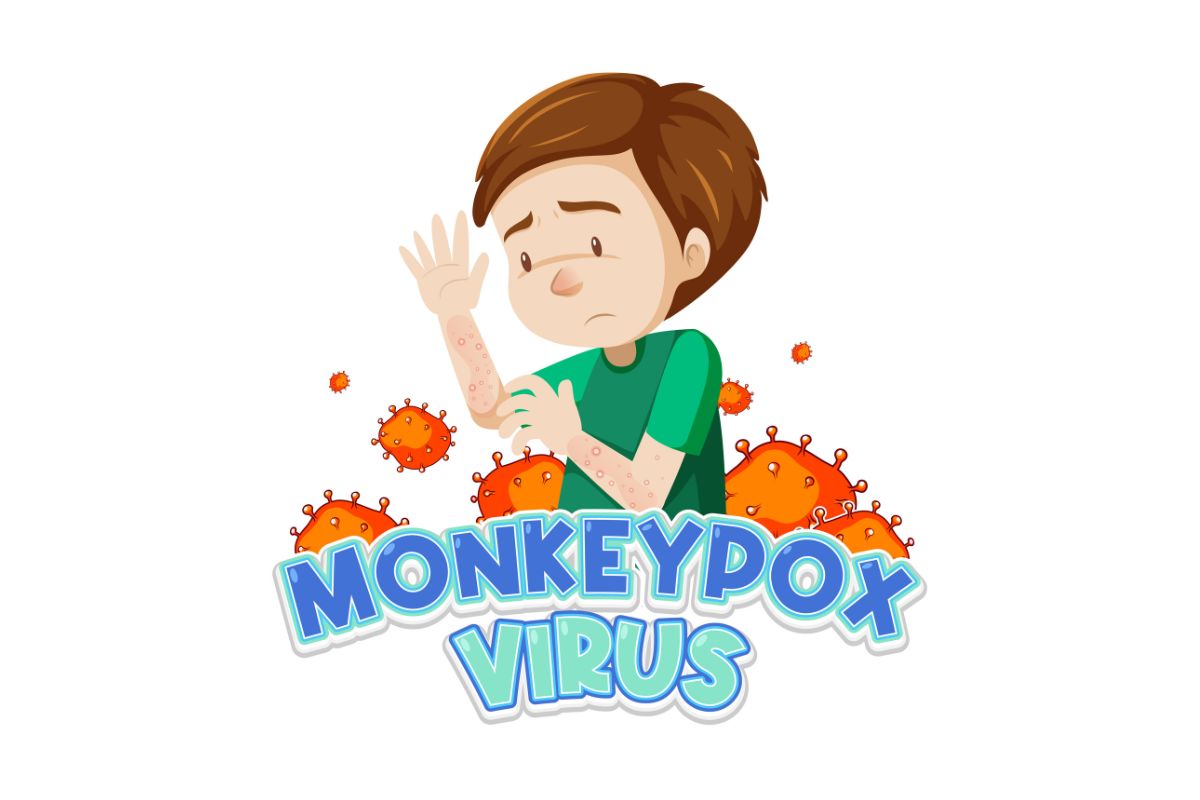
Monkeypox: Symptoms, Causes, Transmission, and When to See a Doctor
The appearance of a skin rash combined with fever is often considered a common health issue, such as chickenpox (varicella). However, in some cases, these symptoms may indicate a more serious condition, including monkeypox.
It is important to note that this disease has raised international concern due to its ability to spread from animals to humans, as well as between humans. Although many cases are mild, proper awareness and early management remain essential.
Below is important information about monkeypox, including its symptoms, transmission, and management.
What Is Monkeypox ?
Monkeypox is an infectious disease caused by the monkeypox virus, which belongs to the Orthopoxvirus group he same family of viruses as smallpox.
Initially discovered in animals, especially monkeys, it is now known that the disease can also infect humans. Therefore, monkeypox is classified as a zoonotic disease, meaning it can be transmitted from animals to humans.
Over time, the disease has spread to multiple countries, including regions in Southeast Asia. If you start to experience symptoms, don't hesitate to immediately consult a doctor. You can check the doctor's schedule at Kenak Medika Hospital Ubud here.
Causes of Monkeypox
Monkeypox occurs when the virus enters the body through:
- Open wounds on the skin
- The respiratory system
- Mucous membranes (eyes, nose, and mouth)
The virus can survive on contaminated surfaces, increasing the risk of transmission.
Common sources of infection include:
- Infected wild animals
- Direct contact with infected individuals
- Contaminated surfaces or objects
Symptoms of Monkeypox
Symptoms usually appear within 5 to 21 days after exposure.
Early symptoms:
- High fever
- Headache
- Muscle pain
- Fatigue
- Chills
After a few days, more specific symptoms may develop.
Advanced symptoms:
- Swollen lymph nodes (a key distinguishing sign)
- Skin rash that develops into fluid-filled lesions
- Lesions spreading to the face, hands, feet, and sensitive areas
The rash progresses through several stages:
- Red spots
- Raised bumps
- Fluid-filled blisters
- Scabs
Swollen lymph nodes are an important feature that differentiates monkeypox from other illnesses such as chickenpox.
Difference Between Monkeypox and Chickenpox
| Monkeypox | Chickenpox |
|---|---|
| Swollen lymph nodes | No lymph node swelling |
| Larger and more painful lesions | Usually milder |
| Can be transmitted from animals | Not transmitted from animals |
| More limited spread | Spreads more easily |
Understanding these differences is important to avoid misdiagnosis.
How Is Monkeypox Transmitted ?
Monkeypox is mainly transmitted through close physical contact, including:
- Direct contact with skin lesions or rash
- Contact with bodily fluids (such as blood or pus)
- Respiratory droplets during close conversations
- Sharing personal items like towels or clothing
- Contact with infected animals
Transmission may not always be obvious, so awareness is crucial.
Is Monkeypox Dangerous ?
Most monkeypox cases are mild and resolve within 2 to 4 weeks. However, some cases can become more severe, especially in high-risk groups:
- Infants and children
- Pregnant women
- Elderly individuals
- People with weakened immune systems
Possible complications include:
- Secondary skin infections
- Respiratory problems
- Dehydration
- Inflammation (rare)
Therefore, symptoms should not be ignored.
How Long Does Recovery Take ?
Recovery time varies, but generally:
- 2 to 4 weeks, and in some cases up to 3 months depending on severity and treatment
Factors affecting recovery include:
- Overall health condition
- Severity of infection
- Medical treatment received
Early treatment reduces the risk of complications.
Treatment for Monkeypox
Currently, there is no specific cure for monkeypox. Treatment focuses on supportive care to help the body recover.
Common treatments include:
- Medication for fever and pain
- Skin lesion care
- Adequate rest
- Proper hydration
- Isolation to prevent transmission
Medical supervision is important to ensure the condition does not worsen.
When Should You See a Doctor ?
Many people delay medical care because symptoms seem mild. However, early detection is important.
Seek medical attention if you experience:
- Fever accompanied by a skin rash
- Swollen lymph nodes
- Rapidly spreading rash
- Painful skin lesions
- History of contact with infected individuals or animals
Do not wait for symptoms to worsen consult a doctor as soon as possible. You can check the doctor's schedule at Kenak Medika Hospital Ubud here.
How to Prevent Monkeypox
Prevention is the most effective way to avoid infection.
Steps you can take:
- Wash hands regularly with soap
- Avoid contact with wild animals
- Wear a mask when sick
- Do not share personal items
- Avoid close contact with infected individuals
Maintaining hygiene and awareness plays a key role in preventing the spread.
Monkeypox Care in Bali
For residents and travelers in Bali, especially in Ubud and Gianyar, it is important to know where to access medical care.
Kenak Medika Hospital Ubud provides healthcare services supported by:
- General practitioners and specialists
- Complete medical facilities
- Services for both local and international patients
- 24-hour emergency care
With professional medical staff and efficient services, patients can receive proper diagnosis and treatment based on their condition.
FAQ (Frequently Asked Questions)
Can monkeypox heal on its own?
Most cases can recover, but medical monitoring is still recommended.
Is monkeypox airborne?
It spreads through close contact and respiratory droplets, not long-distance airborne transmission.
Is monkeypox dangerous?
It can be serious for high-risk groups if not properly managed.
Should I go to the hospital?
If symptoms appear unusual or worsen, it is best to seek medical care.
Conclusion
Monkeypox is an infectious disease that should not be underestimated. Although it may resemble chickenpox, it has distinct characteristics that require attention.
Early detection, proper understanding of symptoms, and timely medical care are essential to prevent complications and further spread.
If you experience suspicious symptoms, seek medical evaluation at the nearest healthcare facility for appropriate treatment.
You may also enjoy

Oct 19, 2026
blog-writer
Oct 02, 2026
blog-writer

Online Appointments
Online Appointment and Prescriptions
Now, you can book a limited amount of doctors appointmentonline
© 2026 Kenak Medika Hospital. All rights reserved.
Powered by Finitree Indonesia