


Your Health Solution


News & Events Hospital
Measles : Symptoms, Causes, Transmission , and Prevention
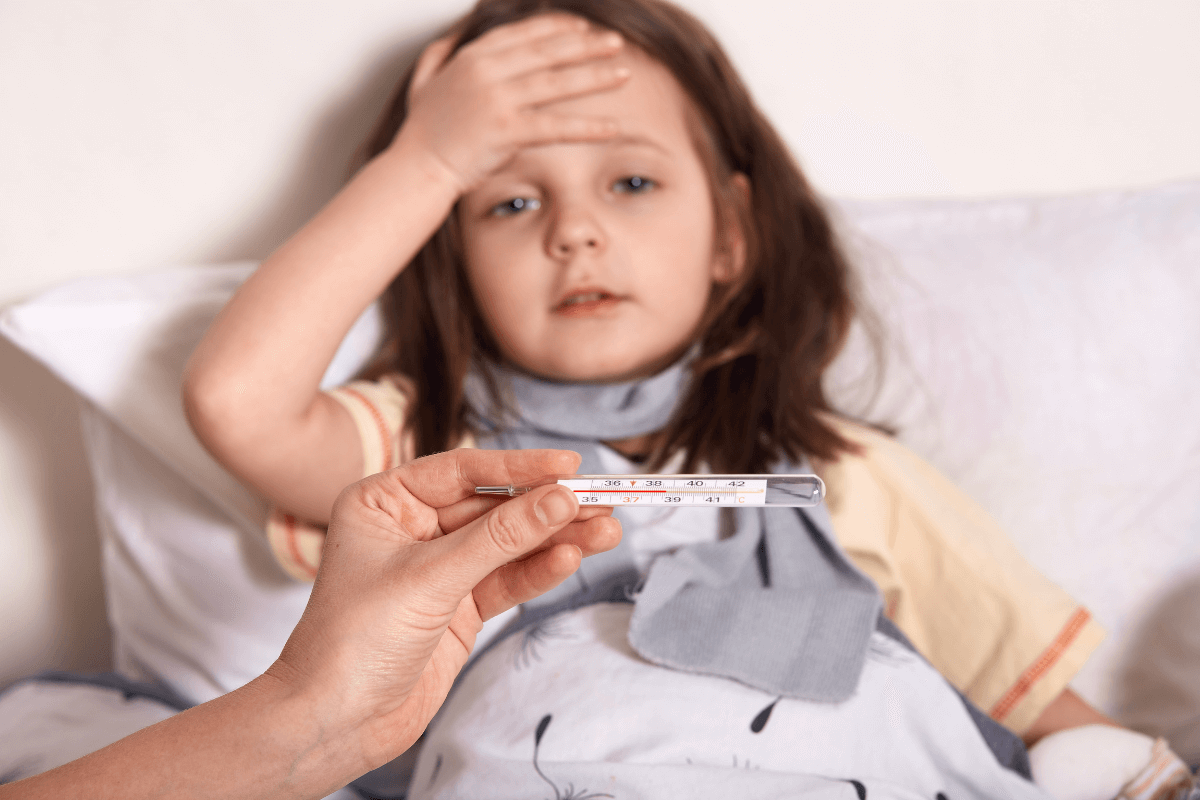
Mar 05, 2026
Marketing
Measles : Symptoms, Causes, Transmission , and Prevention
What Is Measles ?
Measles is a highly contagious viral infection caused by the measles virus (Morbillivirus) from the Paramyxoviridae family. The disease primarily affects the respiratory system and spreads rapidly through the air when an infected person coughs, sneezes, or talks.
Although measles is often associated with childhood illness, people of any age can become infected, especially individuals who have not received the measles vaccine.
Measles infection typically causes symptoms such as:
- High fever
- Persistent cough
- Runny nose
- Red and watery eyes
- A distinctive red skin rash
While many people recover without complications, measles can sometimes lead to serious health problems including pneumonia, dehydration, ear infections, or brain inflammation (encephalitis).
Because of its extremely high transmission rate, measles remains an important global public health concern in many countries.
What Causes Measles ?
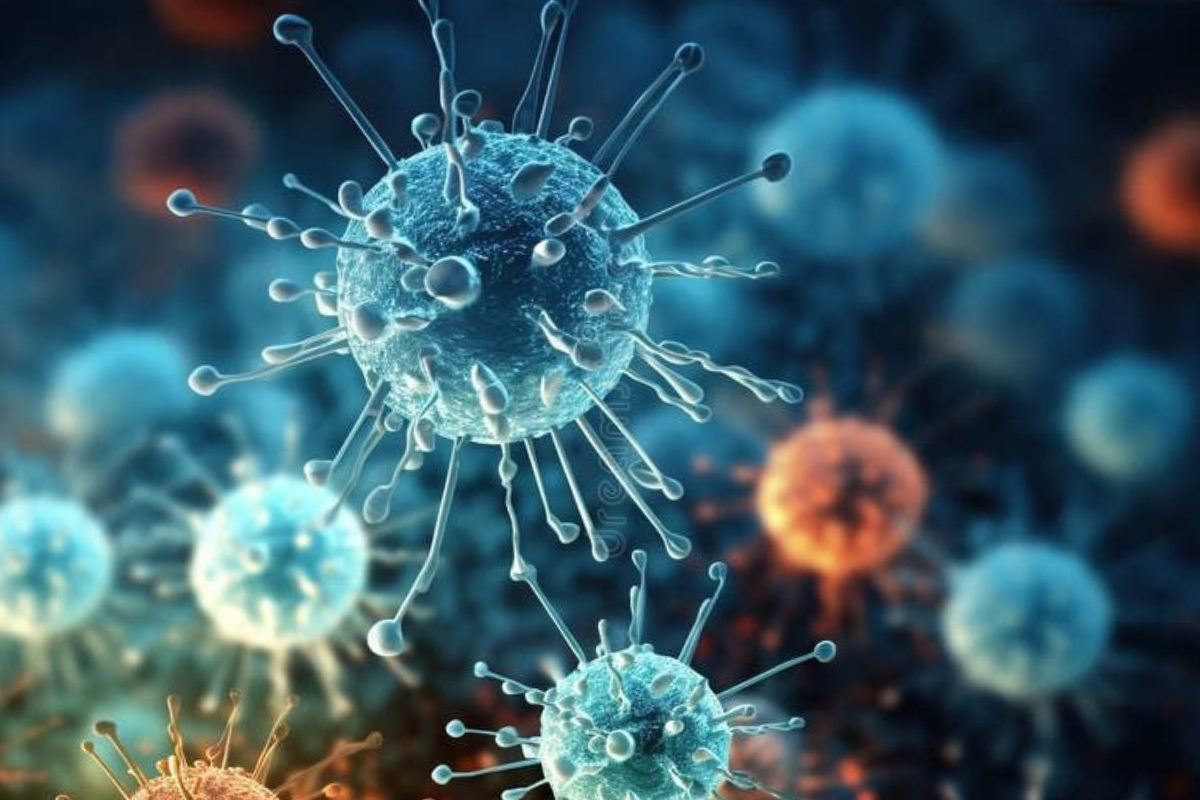
Measles is caused by the measles virus, a highly infectious RNA virus that spreads through respiratory droplets.
The virus spreads when an infected person:
- Coughs
- Sneezes
- Talks
- Releases respiratory droplets into the air
These droplets can remain suspended in the air or settle on surfaces. A person may become infected by breathing contaminated air or touching contaminated surfaces and then touching their eyes, nose, or mouth.
After entering the body through the respiratory tract, the virus multiplies in the lymphatic system and spreads throughout the bloodstream. This process allows the virus to affect multiple organs before the characteristic rash appears.
Several factors can increase the risk of measles infection :
- Not receiving the measles vaccine
- Living in areas with low vaccination coverage
- Traveling internationally to regions experiencing outbreaks
- Having a weakened immune system
How Does Measles Spread ?
One of the most common questions people ask is how measles spreads.
Measles spreads mainly through airborne transmission and respiratory droplets.
Common ways the virus spreads include:
- Inhaling airborne droplets from an infected person
- Direct contact with respiratory secretions
- Touching contaminated surfaces and then touching the face
Measles is considered one of the most contagious infectious diseases. In a closed environment, one infected person can transmit the virus to up to 90% of susceptible individuals nearby.
A person with measles can spread the virus four days before the rash appears and up to four days after the rash develops.
Early Symptoms of Measles
Measles symptoms usually appear 7 to 14 days after exposure to the virus.
Early symptoms often resemble a common respiratory infection and may include:
- High fever
- Dry cough
- Runny nose
- Red, watery eyes (conjunctivitis)
- Sore throat
- Fatigue
A distinctive early sign of measles is the appearance of Koplik spots, which are tiny white spots that develop inside the mouth.
After several days, a measles rash begins to appear.
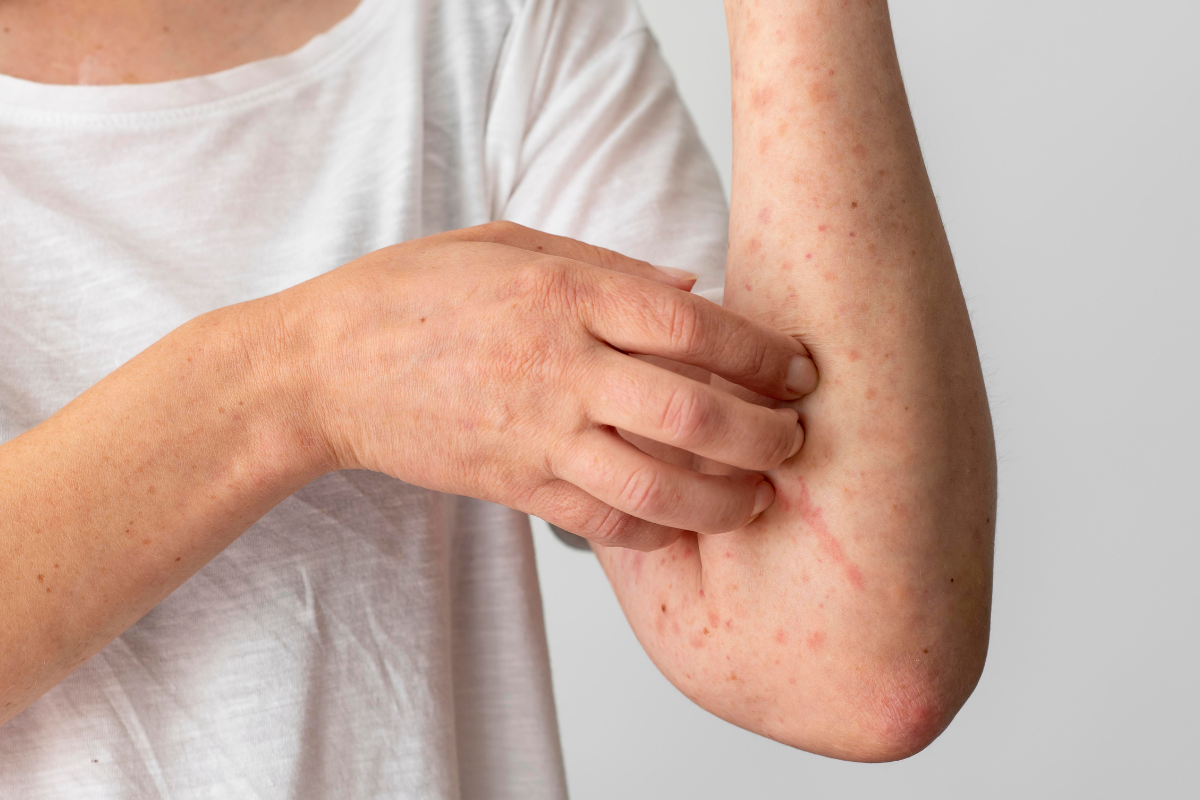
Measles Rash : What It Looks Like
The measles rash is one of the most recognizable symptoms of the disease.
Characteristics of the measles rash include:
- Red or reddish-brown spots
- Rash starting on the face or hairline
- Gradual spread to the neck, chest, arms, and legs
- Rash lasting several days before fading
The rash may sometimes feel slightly itchy and is often accompanied by continued fever.
Measles Symptoms in Adults
Although measles is often considered a childhood disease, measles in adults can be more severe.
Common symptoms in adults include:
- High fever (often above 39°C / 102°F)
- Severe fatigue
- Persistent cough
- Red rash spreading across the body
- Sensitivity to light
- Red or watery eyes
Adults may also face a higher risk of complications such as:
- Pneumonia
- Respiratory infections
- Ear infections
Because complications can occur, adults experiencing suspected measles symptoms should seek medical evaluation.
Measles Symptoms in Children and Babies
Children are the group most commonly affected by measles, particularly those who have not received vaccination.
Typical measles symptoms in children include :
- High fever
- Runny nose
- Cough
- Red eyes
- Skin rash
In infants, symptoms may progress more quickly. Babies with measles may also experience:
- Irritability
- Poor feeding
- Increased crying
- Weakness or lethargy
Because infants have developing immune systems, measles infection can sometimes become more severe.
How Long Does Measles Last ?
The measles infection typically progresses through several stages.
- Incubation period
Usually lasts 7–14 days after exposure. - Early symptom phase (prodromal stage)
Fever, cough, runny nose, and red eyes develop for 2–4 days. - Rash phase
The measles rash appears and spreads across the body for 3–5 days. - Recovery phase
The rash gradually fades and symptoms begin to improve.
In most cases, the full illness lasts about 10 to 14 days.
Measles Treatment and Home Care
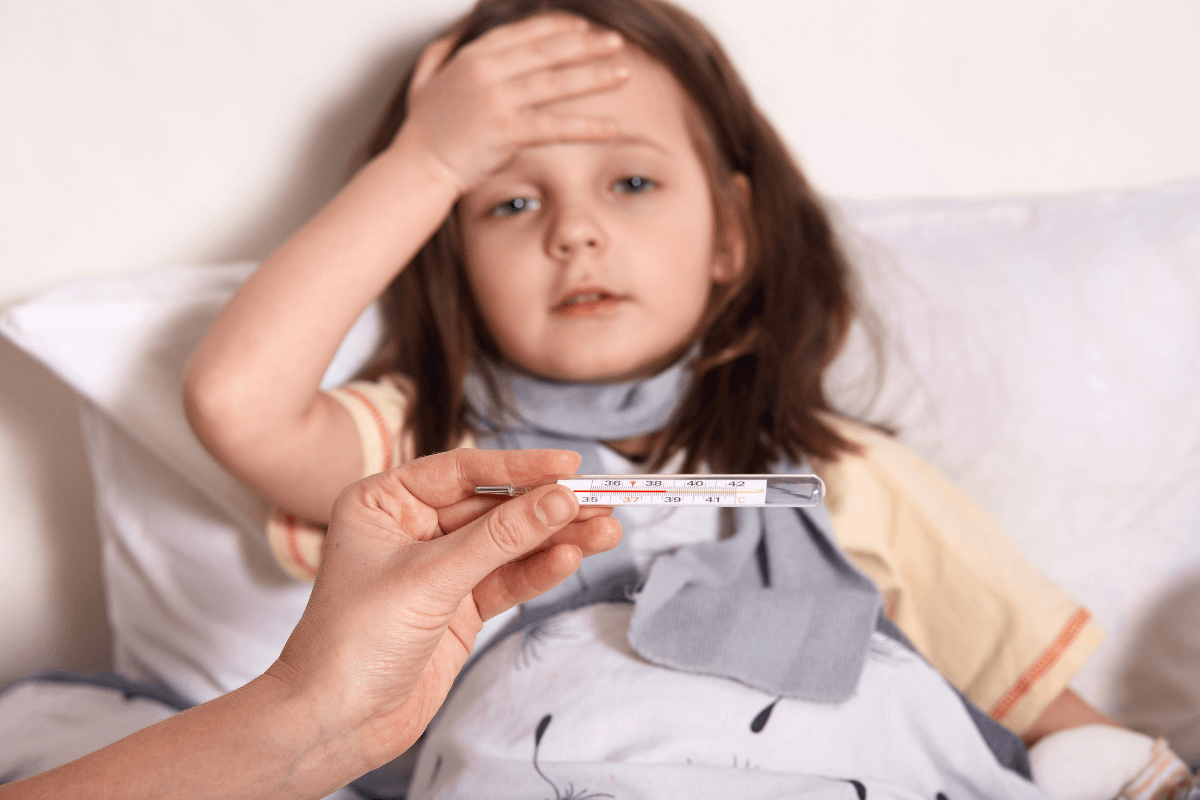
There is no specific antiviral treatment for measles, so care focuses on managing symptoms and supporting recovery.
Recommended supportive care may include :
- Getting enough rest
- Drinking plenty of fluids
- Eating nutritious food
- Using fever-reducing medications recommended by a doctor
- Maintaining a clean and comfortable environment
Healthcare providers may also recommend vitamin A supplementation, particularly for children, as it may help reduce the risk of complications.
Medical advice should always be followed when treating measles, especially for infants and young children.
When Should You See a Doctor ?
Medical attention is recommended if someone with suspected measles develops severe symptoms.
Seek medical care immediately if the patient experiences:
- Persistent high fever
- Difficulty breathing
- Signs of dehydration
- Seizures
- Confusion or decreased consciousness
Early medical evaluation can help prevent serious complications.
Measles Prevention and Vaccination
The most effective way to prevent measles is through vaccination.
The measles vaccine, commonly given as part of the MMR vaccine (measles, mumps, and rubella), provides strong protection against infection.
Additional preventive measures include:
- Practicing good hand hygiene
- Avoiding close contact with infected individuals
- Wearing a mask when experiencing respiratory symptoms
- Maintaining a healthy immune system
Vaccination programs around the world have significantly reduced measles cases, but outbreaks can still occur in communities with low immunization coverage.
Increasing awareness about measles symptoms, transmission, and prevention plays a key role in protecting public health.
You may also enjoy

Oct 02, 2026
blog-writer


Sep 15, 2026
blog-writer

Online Appointments
Online Appointment and Prescriptions
Now, you can book a limited amount of doctors appointmentonline
© 2026 Kenak Medika Hospital. All rights reserved.
Powered by Finitree Indonesia