


Your Health Solution


Health & Wellness
Dengue in Ubud: The Emergency Survival Guide for Travelers
May 28, 2026
Marketing
Dengue in Ubud: The Emergency Survival Guide for Travelers
Dengue Fever Bali: Why Travelers in Ubud Need to Stay Alert in 2026
Traveling to Ubud, Bali is often associated with rice terraces, yoga retreats, tropical forests, waterfalls, and wellness tourism. However, many travelers underestimate one important health risk that continues to affect both tourists and local residents every year: Dengue Fever Bali.
Dengue in Bali remains one of the most common mosquito-borne illnesses, especially in tropical areas with high humidity, dense vegetation, and year-round rainfall patterns. Ubud’s natural ecosystem, surrounded by forests, rivers, rice fields, and open tropical environments, creates conditions where mosquitoes can thrive throughout the year.
For travelers, understanding Dengue Symptoms, prevention strategies, emergency warning signs, and where to find a trusted hospital in Ubud can make a significant difference during a Bali vacation.
This emergency survival guide explains the early signs travelers miss, the critical phase of dengue, when to see a doctor internist at Kenak Medika , how platelet count monitoring works, and where tourists can access fast medical support including dengue testing, intravenous fluids for Dengue, and supportive care in Ubud, Bali.
Understanding Dengue in Bali
What Is Dengue ?
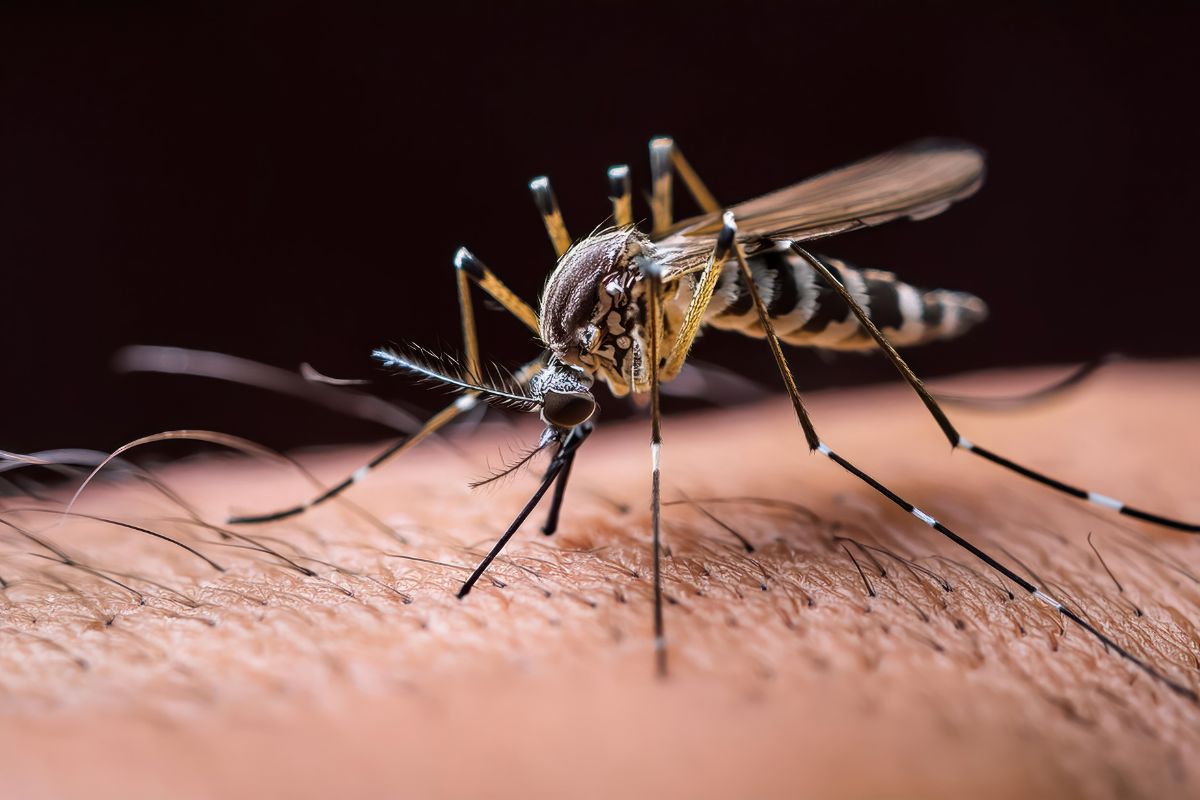
Dengue is a viral infection transmitted by infected Aedes mosquitoes, especially Aedes aegypti. Unlike common flu or food poisoning, Dengue can rapidly worsen within a few days if symptoms are ignored.
Many tourists visiting Bali mistakenly think Dengue only happens during the rainy season. In reality, Dengue year-round Bali cases continue to occur because tropical weather, standing water, and warm temperatures support mosquito breeding throughout the year.
Why Ubud Has Higher Dengue Exposure Risk
Ubud’s popularity as a nature-based destination also creates what many health professionals describe as an Ubud Ecosystem Risk.
This unique risk refers to the combination of :
- Tropical forest environments
- Open-air villas and resorts
- Rice field surroundings
- Mosquito exposure during sunrise and sunset
- Outdoor yoga and wellness activities
- High tourist mobility
- Humid weather conditions
Travelers staying near forest areas, rice terraces, or open-concept accommodations may unknowingly experience higher mosquito exposure compared to urban areas.
Early Signs Travelers Miss: Dengue Fever Early Signs
One of the biggest problems with Dengue Fever Bali cases among tourists is delayed diagnosis. Many travelers ignore the early symptoms because they believe they are simply tired from activities, jet lag, dehydration, or Bali Belly.
Common Dengue Symptoms
The most common Dengue Symptoms include:
- Sudden high fever
- Severe headache
- Pain behind the eyes
- Muscle and joint pain
- Extreme fatigue
- Skin rash
- Nausea or vomiting
- Loss of appetite
- Some travelers also experience chills, mild bleeding gums, or unusual bruising.
Symptoms Often Mistaken by Tourists
Travelers frequently confuse dengue with:
| Condition | Similar Symptoms | Key Difference |
|---|---|---|
| Bali Belly | Fever, weakness | Usually accompanied by diarrhea |
| Flu | Fever, headache | Less intense body pain |
| Jet Lag | Fatigue | No high fever |
| Heat Exhaustion | Weakness, dizziness | Improves with hydration |
Unlike regular viral infections, Dengue can suddenly worsen after the fever decreases.
Critical Phase of Dengue: The Most Dangerous Stage
Many travelers think recovery starts when fever improves. However, the critical phase of dengue usually begins between day 3 to day 7.
This is the stage where fluid leakage, low platelet count, internal bleeding, and shock can occur.
Emergency Warning Signs
Seek immediate medical attention if symptoms include :
- Persistent vomiting
- Severe abdominal pain
- Difficulty breathing
- Bleeding gums
- Black stool
- Confusion
- Extreme weakness
- Cold hands and feet
- Decreased urination
Travelers should never wait until symptoms become severe before visiting a hospital in Ubud.
Kenak Medika Hospital Ubud: Emergency Support for Dengue in Bali
For tourists staying in central Ubud or near Monkey Forest, fast access to professional healthcare is essential.
Why Travelers Need a Trusted Hospital in Ubud
During Dengue in Bali cases, monitoring is often more important than medication itself. A trusted hospital can help travelers with:
- NS1 Antigen test
- Platelet count monitoring
- Intravenous fluids for Dengue
- Fever management
- Internal medicine consultation
- Emergency observation
- Travel medical support
Hospital Emergency Near Monkey Forest
Travelers staying near Monkey Forest, Ubud Center, Penestanan, Nyuh Kuning, or nearby villa areas should identify the nearest emergency medical facility before symptoms worsen.
Kenak Medika Hospital Ubud provides healthcare services for local and international patients, including consultation with a doctor or internist experienced in handling tropical illnesses and Dengue Symptoms.
The hospital location in Ubud allows easier emergency access for tourists who need immediate evaluation, hydration therapy, laboratory tests, and supportive care.
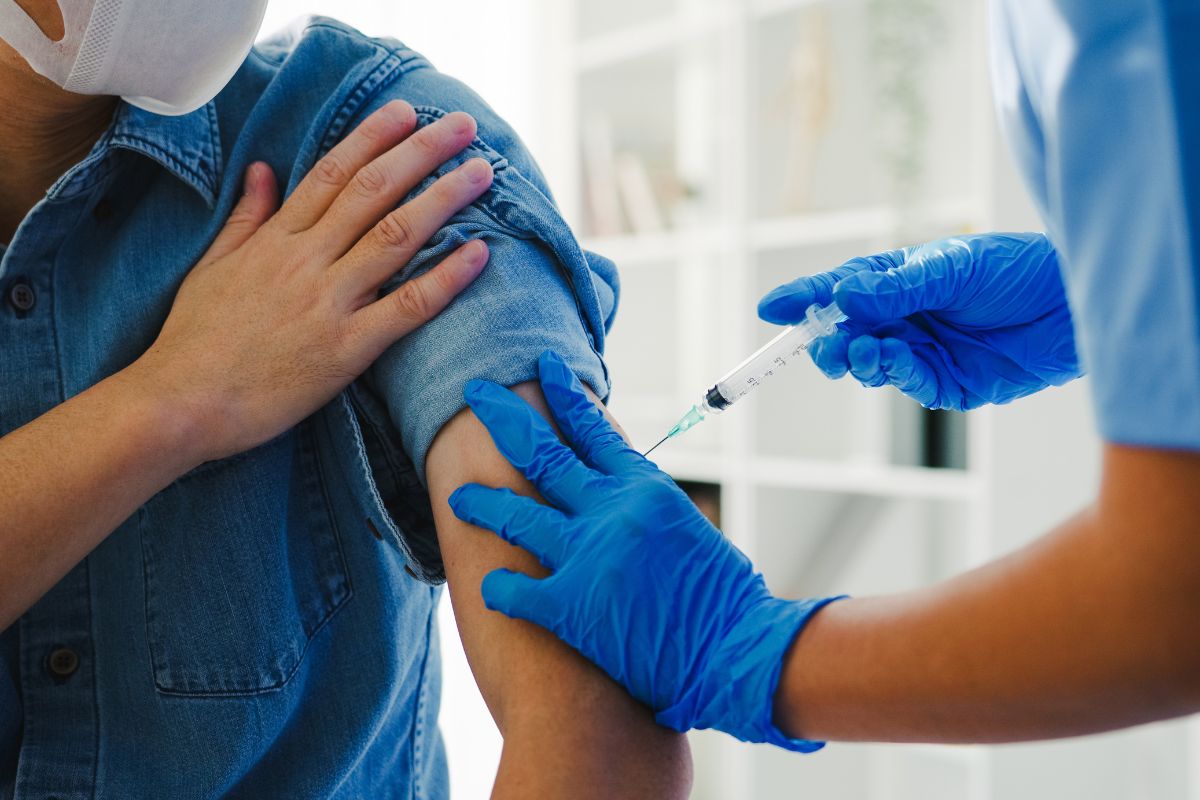
Check our vaccine availability here
NS1 Antigen Test: Why Early Detection Matters
What Is the NS1 Antigen Test?
The NS1 Antigen test is one of the most important laboratory tests for early Dengue detection.
Unlike antibody tests that may take longer to become positive, the NS1 Antigen test can help identify Dengue infection during the early phase of illness.
Benefits of Early Testing
Early diagnosis helps doctors and internists monitor:
- Disease progression
- Platelet trends
- Hydration status
- Risk of complications
- Need for hospitalization
Travelers experiencing fever in Bali for more than 24–48 hours should consider medical evaluation, especially if accompanied by severe body pain or fatigue.
Platelet Count Monitoring: Why It Is Essential During Dengue
One of the most important parts of Dengue management is platelet count monitoring.
Why Platelets Matter
Dengue can cause platelet levels to decrease significantly. Low platelet counts increase bleeding risk and may indicate progression toward severe dengue.
However, many travelers panic unnecessarily when they hear about platelet counts.
Doctors usually evaluate :
- Overall symptoms
- Hydration condition
- Blood pressure stability
- Hematocrit levels
- Platelet trends over time
Monitoring trends is often more important than looking at a single laboratory result.
How Often Should Platelets Be Checked ?
The frequency depends on :
- Severity of symptoms
- Day of illness
- Fever pattern
- Hydration status
- Previous laboratory results
An internist or hospital doctor can determine the safest monitoring plan.
Avoid Aspirin for Dengue
Many travelers carry common painkillers during vacations. However, some medications may increase bleeding risk during Dengue.
Why Aspirin Should Be Avoided
Avoid Aspirin for Dengue because it can interfere with blood clotting and increase bleeding complications.
Certain anti-inflammatory medications should also be used carefully unless recommended by a doctor.
Safer Fever Management
Doctors usually recommend :
- Adequate hydration
- Rest
- Temperature monitoring
- Medical observation
- Appropriate fever medication guidance
Self-medication without proper evaluation can delay treatment and worsen complications.
Intravenous Fluids for Dengue: When Are They Needed ?
Hydration is one of the most important treatments during Dengue Fever Bali cases.
Why IV Fluids Matter
During the critical phase of dengue, plasma leakage may occur, causing dehydration and circulation problems.
Intravenous fluids for Dengue may be recommended when patients:
- Cannot drink enough fluids
- Experience vomiting
- Show signs of dehydration
- Have low blood pressure
- Enter the critical phase
Importance of Medical Supervision
Fluid therapy must be monitored carefully. Too little fluid can worsen shock risk, while excessive fluids may also create complications.
This is why professional monitoring by a hospital doctor or internist is important.
Dengue Prevention for Tourists in Bali
Prevention remains the best strategy for avoiding Dengue in Bali.
Mosquito Repellent (DEET/Icaridin)
One of the most effective preventive methods is using Mosquito repellent (DEET/Icaridin).
Travelers should apply repellent especially during:
- Sunrise
- Sunset
- Outdoor activities
- Forest visits
- Rice terrace walks
- Evening dining outdoors
Additional Prevention Tips
- Wear long sleeves when possible
- Use mosquito protection in villas
- Avoid stagnant water exposure
- Use air conditioning or fans
- Sleep with mosquito protection if needed
Even luxury villas in Ubud may still have mosquito exposure because of surrounding tropical environments.
Vaksin Dengue: Should Travelers Consider It ?
Awareness about Vaksin Dengue continues to increase globally.
What Is the Dengue Vaccine ?
The vaksin dengue is designed to help reduce the risk of severe Dengue infection. Depending on medical history, previous infection status, travel frequency, and health condition, some travelers may discuss vaccination options with their healthcare provider.
Who Should Discuss Dengue Vaccination ?
Travelers who:
- Frequently visit tropical countries
- Stay long-term in Bali
- Have repeated mosquito exposure
- Work remotely in Bali
- Travel with family or children
should consider discussing vaksin dengue options with a doctor or internist.
Vaccination recommendations may vary depending on age, previous infection history, and country-specific medical guidelines.
When Should Travelers Visit a Doctor or Internist ?
Many tourists delay medical evaluation because they worry symptoms are “just fatigue.”
Visit a Doctor Immediately If:
- Fever lasts more than 24–48 hours
- Severe body pain develops
- Appetite disappears completely
- Fatigue becomes extreme
- Rash appears after fever
- Vomiting occurs repeatedly
A doctor or internist can help determine whether symptoms are related to Dengue, viral infection, dehydration, or another tropical illness.
Early medical evaluation often prevents complications and unnecessary hospitalization.
First-Aid Guide for Suspected Dengue in Bali
Step-by-Step Emergency Actions
Step 1: Monitor Fever
Check body temperature regularly and note symptom progression.
Step 2: Increase Oral Hydration
Drink:
- Water
- Electrolyte drinks
- Soup
- Oral rehydration fluids
Step 3: Avoid Aspirin for Dengue
Do not take aspirin-based medication unless specifically advised by a doctor.
Step 4: Reduce Physical Activity
Avoid hiking, surfing, gym sessions, or intense outdoor activities.
Step 5: Visit a Hospital in Ubud
Seek professional evaluation if symptoms worsen or fever persists.
Step 6: Perform NS1 Antigen Test
Early testing helps improve monitoring and treatment planning.
Step 7: Continue Platelet Count Monitoring
Follow medical advice regarding repeat laboratory evaluations.
Why Dengue in Bali Should Never Be Ignored
Dengue in Bali affects both tourists and local residents every year. While many cases recover with proper monitoring and supportive care, delayed treatment increases complication risks.
Travelers visiting Ubud often prioritize itinerary planning, wellness retreats, cafes, and nature activities but forget to prepare for tropical health risks.
Understanding Dengue Symptoms, early warning signs, emergency phases, and nearby medical support helps travelers enjoy Bali more safely.
Conclusion: Stay Safe and Prepared During Your Bali Trip
Bali remains one of the world’s most beautiful travel destinations, and Ubud continues to attract visitors seeking culture, healing, wellness, and nature.
However, awareness about Dengue Fever Bali is essential for safer travel experiences in 2026.
Recognizing Dengue fever early signs, understanding the critical phase of dengue, practicing Dengue prevention for tourists, using Mosquito repellent (DEET/Icaridin), and knowing when to visit a hospital in Ubud can make a life-saving difference.
For travelers experiencing fever, severe fatigue, body pain, or possible Dengue Symptoms during their Bali trip, seeking evaluation from a doctor or internist at Kenak Medika Hospital Ubud may help ensure faster diagnosis, platelet count monitoring, hydration support, and proper medical observation.
With preparation, awareness, and early medical care, travelers can continue exploring Bali safely while minimizing the risks associated with Dengue in Bali.
FAQ About Dengue in Bali
Is Dengue common in Ubud Bali ?
Yes. Dengue in Bali can occur year-round, especially in tropical environments like Ubud with forests, rice fields, and humid weather.
What are the early signs travelers miss ?
Many tourists mistake Dengue fever early signs for fatigue, jet lag, flu, or dehydration.
When should I go to a hospital in Ubud ?
Seek medical attention if fever lasts more than 24–48 hours, severe body pain develops, or vomiting and weakness worsen.
Is the NS1 Antigen test important ?
Yes. The NS1 Antigen test helps detect Dengue earlier during the initial phase of infection.
Why should Aspirin be avoided during Dengue ?
Avoid Aspirin for Dengue because it may increase bleeding risk.
Can tourists get Dengue treatment in Bali ?
Yes. Hospitals in Ubud, including Kenak Medika Hospital Ubud, can provide dengue evaluation, platelet count monitoring, intravenous fluids for Dengue, and medical observation
You may also enjoy
Oct 02, 2026
blog-writer



Sep 15, 2026
blog-writer

Online Appointments
Online Appointment and Prescriptions
Now, you can book a limited amount of doctors appointmentonline
© 2026 Kenak Medika Hospital. All rights reserved.
Powered by Finitree Indonesia