


Your Health Solution


Health & Wellness
Diarrhea: Causes, Symptoms, Treatment, and When to See a Doctor
Jun 05, 2026
Marketing
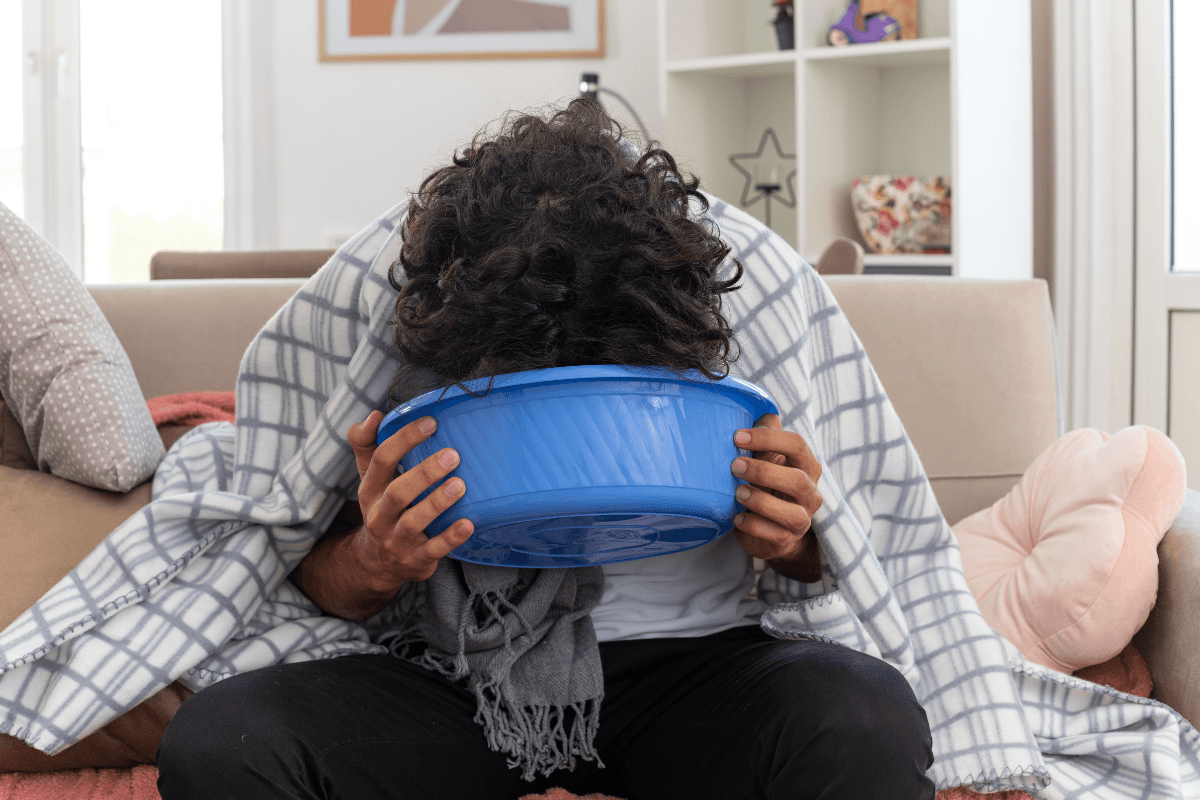
Vomiting and Diarrhea (Gastroenteritis): Causes, Symptoms, Treatment, and When to See a Doctor
Vomiting and diarrhea are common digestive problems that can affect both children and adults. This condition is characterized by vomiting and diarrhea occurring at the same time, which can cause the body to lose significant amounts of fluids and electrolytes in a short period.
Although most cases can improve with proper home care, vomiting and diarrhea should not be ignored because they can lead to dehydration. In vulnerable groups such as children, older adults, pregnant women, and individuals with weakened immune systems, dehydration can develop more quickly and may require medical attention.
So, what causes vomiting and diarrhea, what symptoms should you watch for, and when should you see a doctor?
If you would like to book an appointment or view our doctors’ schedules, click here.
What Are Vomiting and Diarrhea ?

Vomiting and diarrhea often occur as part of a condition known as gastroenteritis, which is an inflammation of the digestive tract. Gastroenteritis can cause diarrhea, nausea, vomiting, abdominal discomfort, and stomach cramps.
The condition usually lasts for a few days and is commonly caused by viral infections, bacterial infections, or consuming contaminated food and drinks.
Causes of Vomiting and Diarrhea
Several factors can lead to vomiting and diarrhea. The most common causes include:
1. Viral Infections
Viruses are the most frequent cause of gastroenteritis. They can spread through contaminated food, beverages, surfaces, or contact with infected individuals.
2. Bacterial Infections
Certain bacteria can contaminate improperly prepared or stored food and drinks, causing diarrhea, vomiting, and abdominal cramps.
3. Food Poisoning
Food that is not cooked or stored properly may contain harmful bacteria, viruses, or toxins that trigger digestive illness.
4. Poor Hygiene Practices
Failing to wash hands before eating or after using the restroom can increase the risk of spreading germs that cause gastrointestinal infections.
5. Contaminated Drinking Water
Unsafe or contaminated water may contain microorganisms that can lead to digestive tract infections.
Symptoms of Vomiting and Diarrhea
Symptoms can range from mild to severe.
Common symptoms include:
- Frequent diarrhea
- Nausea
- Vomiting
- Abdominal pain or cramps
- Stomach discomfort
- Mild to high fever
- Weakness or fatigue
- Loss of appetite
- Headache
In many cases, symptoms improve within 1–3 days. However, if symptoms persist longer or become more severe, medical evaluation is recommended.
Are Vomiting and Diarrhea Contagious?
Yes. Depending on the cause, gastroenteritis can be contagious and spread from person to person.
Transmission may occur through:
- Contaminated food or drinks
- Poor hand hygiene
- Contaminated surfaces
- Direct contact with an infected person
Practicing proper hygiene is essential to help prevent the spread of infection.
How to Treat Vomiting and Diarrhea

Most mild cases can be managed at home with supportive care.
Stay Hydrated
The most important step is replacing the fluids lost through vomiting and diarrhea.
Helpful options include:
- Water
- Oral rehydration solutions (ORS)
- Electrolyte drinks
- Clear broth or soup
- Coconut water
If nausea is present, drink small amounts frequently rather than large amounts at once.
Get Plenty of Rest
Your body needs time and energy to fight the infection and recover.
Eat Easily Digestible Foods
As symptoms begin to improve, consider foods such as:
- Rice porridge
- Plain rice
- Bananas
- Boiled potatoes
- Plain toast
Avoid spicy, greasy, fried, or high-fat foods until recovery.
Maintain Good Hygiene
Washing your hands thoroughly with soap before eating and after using the restroom can help prevent reinfection and reduce transmission to others.
Risk of Dehydration
The most common complication of vomiting and diarrhea is dehydration.
Signs of dehydration include:
- Dry mouth
- Excessive thirst
- Reduced urination
- Dark-colored urine
- Dizziness
- Severe weakness
- Rapid heartbeat
In children, dehydration may also cause:
- Sunken eyes
- Crying without tears
- Unusual sleepiness or lethargy
Vomiting and Diarrhea in Travelers
Vomiting and diarrhea can affect not only local residents but also travelers.
Travelers may develop digestive illnesses due to changes in diet, contaminated food or water, or exposure to unfamiliar bacteria.
Among international travelers, this condition is often referred to as Bali Belly or Traveler’s Diarrhea. Although the terminology differs, the symptoms are often similar and may include diarrhea, nausea, vomiting, and abdominal cramps.
A separate article discussing Bali Belly, its causes, prevention, and treatment while traveling in Bali will be available for those seeking more detailed information.
When Should You See a Doctor ?
Seek medical attention promptly if you experience:
- Diarrhea and vomiting lasting more than a few days
- Inability to eat or drink due to persistent vomiting
- High fever
- Severe abdominal pain
- Blood in the stool
- Signs of dehydration
- Symptoms that continue to worsen
Children, older adults, pregnant women, and individuals with chronic medical conditions should seek medical evaluation sooner to reduce the risk of complications.
How to Prevent Vomiting and Diarrhea

Several simple measures can help reduce the risk of gastroenteritis:
- Wash your hands regularly
- Eat thoroughly cooked food
- Drink safe and clean water
- Keep eating utensils clean
- Avoid food from questionable sources
Good hygiene practices not only protect you but also help prevent the spread of infection to others.
Conclusion
Vomiting and diarrhea are common symptoms of gastroenteritis and are often caused by infections or contaminated food and water. Most mild cases improve with adequate rest and proper hydration. However, warning signs such as dehydration, high fever, severe abdominal pain, or worsening symptoms should not be ignored.
If symptoms persist or become severe, consult a healthcare professional for proper diagnosis and treatment.
Frequently Asked Questions
What are vomiting and diarrhea ?
Vomiting and diarrhea refer to the simultaneous occurrence of vomiting and loose stools, usually caused by an infection or irritation of the digestive tract.
How long does gastroenteritis usually last ?
Most mild cases improve within 1–3 days with adequate hydration and rest.
What should I drink when experiencing vomiting and diarrhea ?
Water, oral rehydration solutions (ORS), and electrolyte drinks can help replace fluids and minerals lost through vomiting and diarrhea.
Is gastroenteritis contagious ?
Yes. Depending on the cause, it can spread through contaminated food, water, surfaces, or close contact with infected individuals.
When should I see a doctor ?
You should seek medical attention if you develop signs of dehydration, persistent vomiting, severe diarrhea, high fever, blood in the stool, or worsening symptoms.
You may also enjoy


Oct 19, 2026
blog-writer
Oct 02, 2026
blog-writer

Online Appointments
Online Appointment and Prescriptions
Now, you can book a limited amount of doctors appointmentonline
© 2026 Kenak Medika Hospital. All rights reserved.
Powered by Finitree Indonesia