


Your Health Solution


Health & Wellness
Bali Belly in Ubud: Symptoms, Treatment & Recovery

Jun 04, 2026
Marketing
Bali Belly in Ubud: Symptoms, Treatment & Recovery Guide for Travelers
Bali Belly in Ubud: What Every Traveler Needs to Know
A dream vacation in Ubud can quickly become stressful when unexpected digestive problems appear. One of the most common health issues affecting international travelers in Bali is Bali Belly. While many people assume it is simply an upset stomach, Bali Belly can lead to severe dehydration, weakness, and even hospitalization if symptoms are ignored.
Whether you are exploring rice terraces, joining yoga retreats, or enjoying local cuisine, understanding Bali Belly symptoms, treatment, and recovery can help you get back to enjoying your trip safely.
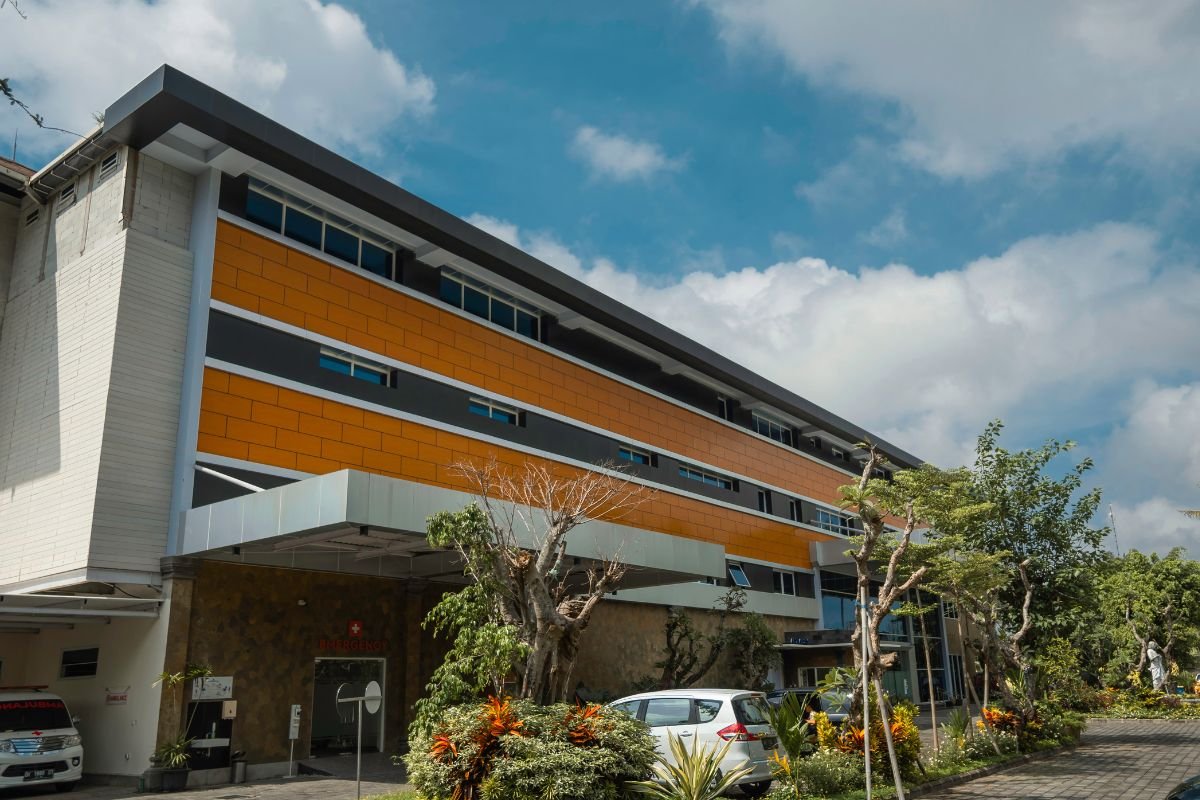
If you are looking for a doctor for Bali Belly in Ubud, knowing when to seek professional medical care is essential. At Kenak Medika Hospital, a trusted Ubud Hospital and Ubud Medical Center, travelers can access medical consultation, IV hydration, laboratory testing, and 24 hours emergency services when needed.
What Is Bali Belly ?
Bali Belly is a common term used by travelers to describe gastrointestinal infections that occur during travel in Bali. Medically, it is often categorized as Traveler's Diarrhea Bali or Gastroenteritis Bali.
The condition may be caused by:
- Bacterial infections
- Viral infections
- Food contamination
- Water contamination
- Changes in diet
- Poor food handling practices
Many cases resolve within a few days, but some individuals develop severe symptoms requiring medical evaluation and treatment.
Why Is Bali Belly Common in Ubud ?
Ubud attracts millions of travelers every year. Visitors frequently experience changes in eating habits, consume unfamiliar foods, and spend extended periods outdoors.
Several factors increase the risk:
- Eating food from unhygienic sources
- Consuming contaminated ice or water
- Exposure to unfamiliar bacteria
- Weakened immunity due to travel fatigue
- Hot tropical climate leading to dehydration
While most restaurants in Ubud maintain good hygiene standards, digestive infections can still occur, making Bali Belly one of the most searched health concerns among tourists.
Bali Belly Symptoms: When Should You Be Concerned ?

Recognizing Bali Belly Symptoms early allows faster treatment and recovery.
Common symptoms include:
Mild Symptoms
- Loose stools
- Mild diarrhea
- Stomach discomfort
- Gas and bloating
- Nausea
- Loss of appetite
Moderate Symptoms
- Frequent diarrhea
- Stomach cramps
- Vomiting
- Fatigue
- Headaches
- Low-grade fever
Severe Symptoms
- Persistent vomiting
- High fever
- Bloody diarrhea
- Severe abdominal pain
- Dizziness
- Signs of dehydration
If symptoms become severe, it is important to contact a doctor for Bali Belly immediately.
Gastroenteritis Bali: Understanding the Medical Condition Behind Bali Belly
Many travelers use the term Bali Belly, but healthcare professionals often diagnose the condition as Gastroenteritis Bali.
Gastroenteritis refers to inflammation of the stomach and intestines caused by infection or irritation.
Symptoms may include:
- Diarrhea
- Vomiting
- Abdominal pain
- Fever
- Dehydration
The severity varies depending on the cause, age, hydration status, and overall health of the patient.
At Kenak Medika Hospital, physicians evaluate symptoms carefully to determine whether patients require medication, laboratory testing, or supportive treatment.
Food Poisoning Bali vs Bali Belly: What's the Difference ?
Many travelers wonder whether they are experiencing Food Poisoning Bali or Bali Belly.
| Feature | Bali Belly | Food Poisoning Bali |
|---|---|---|
| Onset | Gradual | Often sudden |
| Cause | Various infections | Usually contaminated food |
| Duration | 1–5 days | Several hours to days |
| Symptoms | Diarrhea, cramps, nausea | Vomiting, severe nausea, diarrhea |
| Treatment | Hydration and medical assessment | Hydration and symptom management |
In reality, food poisoning can be one cause of Bali Belly.
Because symptoms overlap significantly, medical assessment may be necessary when symptoms worsen.
Why Most Bali Belly Treatment Fails
Many travelers focus only on stopping diarrhea.
However, experienced doctors know that the real danger is often dehydration.
The biggest mistake tourists make is waiting too long before seeking help.
While diarrhea is uncomfortable, the most serious complications arise when the body loses:
- Water
- Sodium
- Potassium
- Electrolytes
This is why effective Bali Belly Treatment focuses not only on symptom relief but also on restoring hydration and electrolyte balance.
Bali Belly Treatment: What Actually Works ?
Treatment depends on symptom severity and underlying cause.
Home-Based Bali Belly Treatment
For mild cases:
- Drink oral rehydration solutions
- Rest adequately
- Avoid alcohol
- Eat bland foods
- Stay hydrated
Many travelers recover within 24 to 72 hours.
Medical Bali Belly Treatment
If symptoms become moderate or severe, medical evaluation is recommended.
A doctor may provide:
- Clinical examination
- Prescription medications
- Anti-nausea treatment
- IV fluids
- Laboratory testing
At Kenak Medika Hospital, patients can access comprehensive evaluation and treatment for gastrointestinal illnesses in Ubud.
IV Therapy for Bali Belly
One of the fastest ways to improve symptoms is intravenous hydration.
IV therapy may help when patients:
- Cannot keep fluids down
- Experience persistent vomiting
- Have severe diarrhea
- Show signs of dehydration
Many travelers report significant improvement after receiving IV hydration under medical supervision.
Dehydration from Diarrhea: The Hidden Emergency
Why Dehydration Can Become Dangerous
Repeated diarrhea and vomiting rapidly remove fluids from the body.
Signs of Dehydration from Diarrhea include:
- Dry mouth
- Dark urine
- Extreme thirst
- Weakness
- Dizziness
- Rapid heartbeat
- Confusion
Without treatment, severe dehydration can become a medical emergency.
When to Visit a 24 Hours Emergency Facility
Seek immediate care if you experience:
- Severe dehydration
- Bloody stools
- High fever
- Continuous vomiting
- Inability to drink fluids
- Fainting
A 24 hours emergency service is especially important for travelers who become ill during evenings, weekends, or holidays.
What to Eat After Bali Belly

One of the most common traveler questions is:
What to Eat After Bali Belly ?
The digestive system remains sensitive after infection.
Recommended foods include:
Easy-to-Digest Foods
- Plain rice
- Toast
- Crackers
- Bananas
- Boiled potatoes
- Oatmeal
Hydrating Options
- Coconut water
- Oral rehydration solution
- Clear soups
- Electrolyte drinks
Foods to Avoid
- Alcohol
- Spicy foods
- Fried foods
- Excess dairy
- Highly processed foods
Gradually returning to a normal diet supports faster recovery.
Traveler's Diarrhea Bali: How Long Does It Last ?

Most cases of Traveler's Diarrhea Bali improve within:
- 24–48 hours for mild infections
- 3–5 days for moderate infections
- Up to 7 days for more severe cases
Persistent symptoms beyond one week should be evaluated by a healthcare professional.
Recovery Timeline After Bali Belly
Day 1
- Diarrhea begins
- Mild stomach discomfort
- Focus on hydration
Day 2–3
- Symptoms peak
- Fatigue increases
- Appetite decreases
Day 3–5
- Gradual improvement
- Reduced diarrhea
- Increased energy
Day 5–7
- Recovery phase
- Return to normal activities
This timeline varies depending on the cause and treatment received.
First-Aid Guide for Bali Belly in Ubud
Immediate Steps
Step 1: Stop High-Risk Foods
- Avoid: Street food, Raw vegetables, Dairy products, Alcohol
Step 2: Start Oral Rehydration
b. Drink: ORS solution, Electrolyte drinks, Clear fluids, Take small sips every few minutes.
Step 3: Monitor Symptoms
- Track: Frequency of diarrhea, Vomiting episodes, Fever, Hydration status
Step 4: Rest
- Reduce physical activity and stay in a cool environment.
Step 5: Seek Medical Care
- Contact a doctor for Bali Belly if symptoms worsen or persist.
Why Travelers Choose Kenak Medika Hospital in Ubud

When digestive illness disrupts your vacation, fast access to medical care matters.
Kenak Medika Hospital provides healthcare services for local residents, expatriates, and international travelers.
Services include:
- General practitioner consultation
- Internal medicine consultation
- Laboratory testing
- IV hydration therapy
- Gastroenteritis treatment
- Medical observation
- Travel medicine support
- 24 hours emergency services
As a trusted Ubud Hospital and Ubud Medical Center, the facility understands the healthcare needs of visitors traveling in Bali.
Preventing Bali Belly During Your Bali Trip
Although not every case can be prevented, risk can be reduced.
Prevention Tips
- Drink bottled water
- Wash hands frequently
- Choose reputable restaurants
- Avoid undercooked food
- Stay hydrated
- Use hand sanitizer when traveling
Simple preventive habits significantly lower the risk of digestive illness.
Frequently Asked Questions (FAQ)
Is Bali Belly contagious?
Some infections causing Bali Belly can spread through contaminated food, water, or poor hygiene.
Can Bali Belly go away on its own?
Yes. Many mild cases improve within a few days with proper hydration and rest.
How do I know if I need a doctor for Bali Belly?
Seek medical attention if symptoms include severe diarrhea, dehydration, persistent vomiting, high fever, or blood in the stool.
What is the fastest Bali Belly Treatment?
Hydration remains the most important treatment. Severe cases may benefit from medical evaluation and IV fluids.
Can children get Bali Belly?
Yes. Children may become dehydrated more quickly and should be monitored carefully.
Conclusion
Experiencing Bali Belly in Ubud can be frustrating, especially when it interrupts a long-awaited holiday. Understanding the symptoms, recognizing dehydration early, and seeking timely medical care are essential for a safe recovery.
Whether you are dealing with Traveler's Diarrhea Bali, Food Poisoning Bali, or Gastroenteritis Bali, proper hydration and professional medical assessment can make a significant difference.
If symptoms become severe or recovery is delayed, consulting a doctor for Bali Belly at Kenak Medika Hospital, a trusted Ubud Hospital and Ubud Medical Center, can help ensure you receive appropriate treatment and support throughout your recovery journey.
Your Bali vacation should be memorable for the right reasons—and staying healthy is the first step toward enjoying everything Ubud and Bali have to offer.
You may also enjoy


Oct 19, 2026
blog-writer

Oct 02, 2026
blog-writer

Online Appointments
Online Appointment and Prescriptions
Now, you can book a limited amount of doctors appointmentonline
© 2026 Kenak Medika Hospital. All rights reserved.
Powered by Finitree Indonesia