


Your Health Solution


Health & Wellness
Animal Bites in Bali : Rabies Prevention and Medical Care
Oct 19, 2026
blog-writer
Animal Bites in Bali: What Tourists Should Do and When to Seek Medical Care
Bali is known for its beautiful landscapes, temples, and wildlife encounters. However, close contact with unfamiliar animals, including dogs, cats, and monkeys, can sometimes result in bites or scratches that require medical attention.
For international travellers, expats, and digital nomads staying in Ubud, knowing what to do after an animal bite is an important part of staying safe during a trip. Animal bites can cause wound infections and may expose a person to rabies, a serious viral disease that requires prompt preventive care.
If you experience an animal bite or scratch, seek medical attention promptly. Kenak Medika Hospital Ubud provides Emergency Services for patients requiring urgent medical assessment. Understanding the risks, taking immediate first-aid steps, and accessing appropriate emergency care can help travellers respond safely when an incident occurs.
What Animals Can Cause Bites or Scratches in Bali ?
Animal encounters can happen in many situations, from walking along village streets to visiting popular tourist attractions.
Dogs and cats
Unfamiliar dogs and cats may bite or scratch when frightened, approached unexpectedly, or handled. Even a small wound should be assessed if rabies exposure is possible.
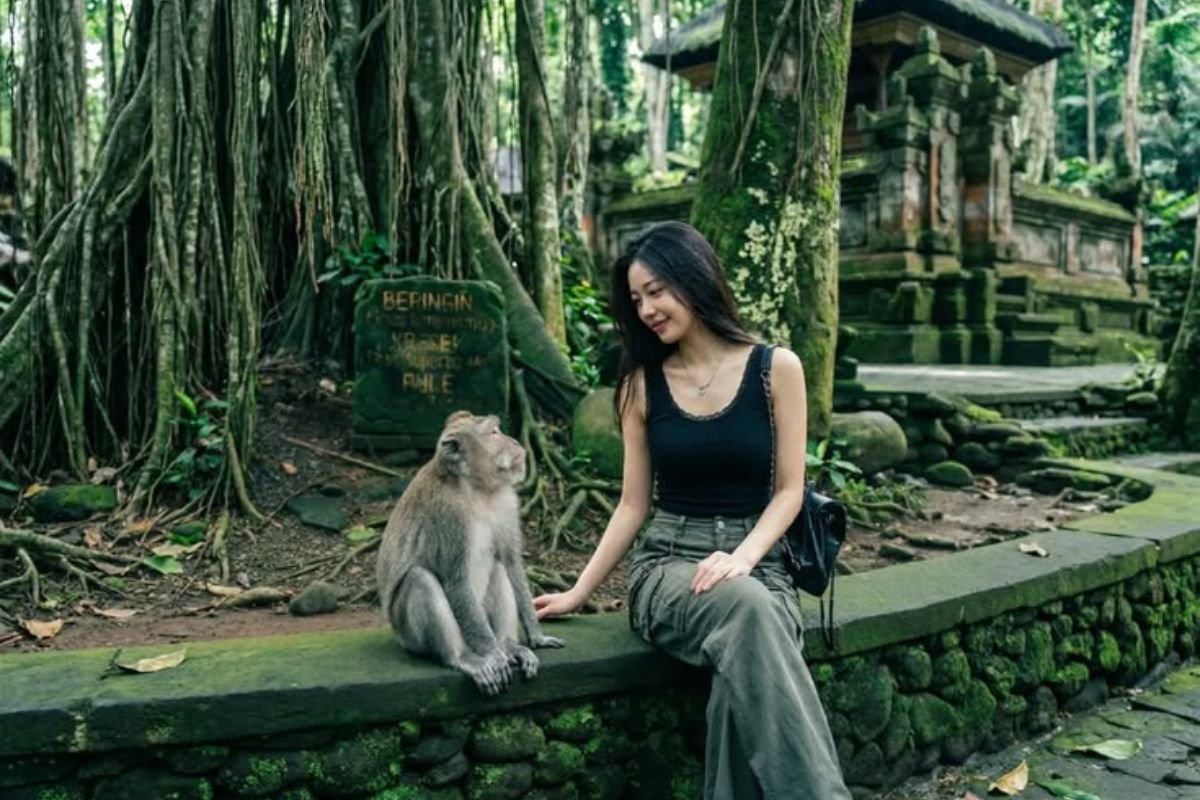
Monkeys in Ubud
Visitors to monkey-populated areas, including forest attractions and temple surroundings, should avoid feeding, touching, or approaching monkeys. Animals may bite or scratch when they feel threatened or when visitors attempt to handle food near them.
Other mammals
Other mammals may also cause injuries or potential exposure. The appropriate response depends on the animal involved, the nature of the contact, and the patient's medical history.
Not every animal bite results in rabies exposure, but the risk should be assessed by a healthcare professional rather than judged by the appearance of the animal or the size of the wound.
What Should You Do After an Animal Bite in Bali ?
If you are bitten or scratched by an animal, or its saliva comes into contact with broken skin or your eyes or mouth, take the following steps.
1. Wash the Wound Immediately
Wash the affected area thoroughly with soap and running water for at least 15 minutes. If an appropriate antiseptic is available, it may be used according to medical guidance.
Wound washing is an important first step in reducing the risk of infection, but it does not replace professional medical assessment.
2. Seek Medical Attention Promptly
Do not wait for symptoms to appear or assume that a wound is harmless because it is small. A healthcare professional can assess the injury, possible rabies exposure, and risk of other infections.
3. Explain What Happened
Tell the healthcare professional which animal was involved, when and where the incident occurred, whether the skin was broken, and whether you have previously received rabies vaccinations.
These details help determine the appropriate treatment and follow-up.
4. Follow the Recommended Treatment Plan
Depending on the exposure and your vaccination history, medical management may include wound care, rabies vaccination, and rabies immunoglobulin (RIG) when indicated.
The need for each treatment and the recommended schedule must be determined by a qualified healthcare professional.
Why Is Rabies Prevention Important for Travellers in Bali ?
Rabies is a viral disease that affects the central nervous system. Once clinical symptoms develop, it is almost always fatal. However, timely and appropriate preventive treatment after exposure can prevent the disease.
Travellers may be unfamiliar with local animal-related risks or unsure where to seek medical assistance in an unfamiliar destination. This is why it is important to understand the appropriate first-aid steps before exploring Bali.
Never wait for symptoms to appear after a possible rabies exposure. Prompt medical assessment is essential, even if the animal appears healthy.
Do You Need a Rabies Vaccine After a Dog Bite or Monkey Scratch ?
Not every animal encounter requires the same treatment. A healthcare professional will assess the type of contact, whether the skin was broken, the animal involved, and the patient's previous rabies vaccination history.
Rabies Vaccine Before Exposure (PrEP)
Pre-exposure prophylaxis may be recommended for certain travellers based on their itinerary, activities, and access to medical care. Travellers who expect frequent contact with animals or visits to areas with limited access to treatment may benefit from discussing vaccination with a healthcare professional before travelling.
Rabies Vaccine After Exposure (PEP)
Post-exposure prophylaxis is preventive treatment given after a potential rabies exposure. It may involve wound care and rabies vaccination, with RIG for eligible patients when indicated.
People who have previously completed rabies vaccination may require a different treatment approach from those who have never been vaccinated. A healthcare professional should determine the appropriate plan.
How Can Tourists Prevent Animal Bites in Ubud ?

A few practical precautions can help reduce the likelihood of an animal-related injury during your stay.
- Avoid touching, feeding, or approaching unfamiliar animals.
- Keep a safe distance from monkeys, particularly when they are eating or carrying food.
- Do not attempt to hold, chase, or separate animals.
- Keep food and belongings secured when visiting areas where monkeys are present.
- Supervise children closely around animals.
- Identify a healthcare facility you can contact in case of an emergency.
These precautions cannot eliminate every risk, but they can help make animal encounters safer.
Where Can You Seek Medical Care After an Animal Bite in Ubud ?
If you experience a dog bite, monkey scratch, or another possible rabies exposure while staying in Ubud, seek medical assessment promptly.
Kenak Medika Hospital is located in Ubud, Bali, and serves local residents, expatriates, and international visitors seeking medical care. Contact the hospital to enquire about available animal bite assessment, rabies vaccination, and related treatment services before visiting.
For more information, visit our Rabies Vaccine and Animal Bite Treatment service page to learn about the service and how to contact our hospital.
If you have travel insurance, keep your policy information and insurer's contact details available. However, arranging insurance documentation should not delay urgent medical assessment.
Frequently Asked Questions About Animal Bites in Bali
What should I do after a monkey bite in Ubud ?
Wash the wound immediately with soap and running water for at least 15 minutes, then seek medical attention promptly. A healthcare professional will assess the injury and determine whether rabies preventive treatment is needed.
Can a small scratch transmit rabies ?
Certain scratches can constitute a potential rabies exposure, depending on the circumstances. Do not dismiss a scratch simply because it is small or does not bleed. Seek medical assessment to determine the appropriate response.
Do tourists need a rabies vaccine before visiting Bali ?
Not every traveller requires pre-exposure vaccination. The decision depends on individual risk factors, planned activities, duration of travel, and access to medical care. Discuss your travel plans with a healthcare professional.
Is rabies vaccination enough after an animal bite ?
The appropriate treatment depends on the type of exposure and your vaccination history. Wound care, rabies vaccination, and RIG may be indicated in different circumstances. A healthcare professional should assess your needs.
Should I wait for symptoms before seeing a doctor ?
No. Seek medical attention promptly after a possible rabies exposure. Preventive treatment must be assessed and initiated before symptoms develop.
Get Medical Advice After an Animal Bite in Bali
An animal bite or scratch during your holiday can be stressful, especially when you are unfamiliar with the local healthcare system. Knowing how to clean the wound, when to seek medical attention, and where to obtain reliable advice can help you respond appropriately.
If you experience an animal bite or scratch in Ubud, do not delay medical assessment. Contact Kenak Medika Hospital to enquire about available services and the appropriate next steps for your situation.
You may also enjoy
Oct 02, 2026
blog-writer


Sep 15, 2026
blog-writer

Online Appointments
Online Appointment and Prescriptions
Now, you can book a limited amount of doctors appointmentonline
© 2026 Kenak Medika Hospital. All rights reserved.
Powered by Finitree Indonesia