


Your Health Solution


Medical Services
PRP Treatment in Ubud, Bali | Kenak Medika Hospital
Oct 23, 2026
blog-writer
PRP Treatment in Ubud: Consult Kenak Medika Hospital
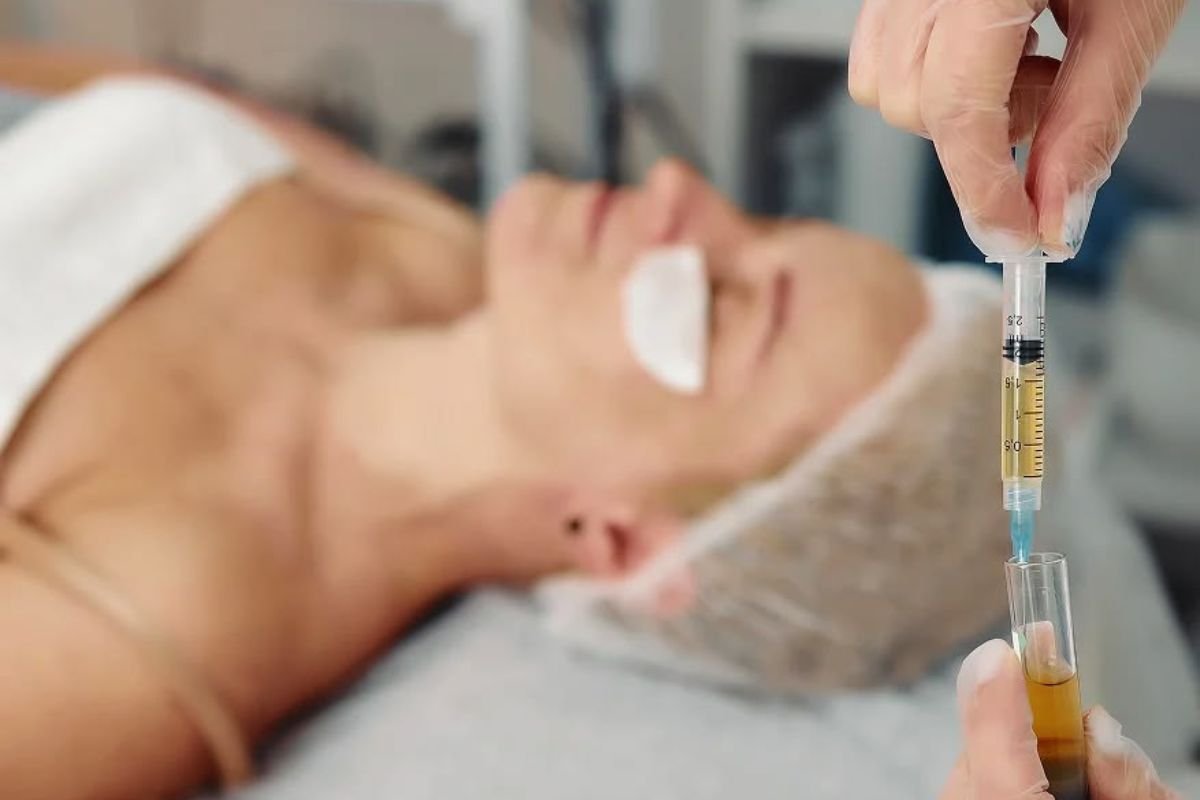
Are you looking for information about PRP treatment in Ubud, Bali? Platelet-rich plasma (PRP) therapy is a medical procedure that uses a concentrated portion of a patient's own blood. Depending on the clinical indication and treatment method, PRP may be considered for selected hair and skin concerns.
If you are considering PRP in Ubud, it is important to understand how the procedure works, what results may be realistic, and which medical professional should assess your suitability. Kenak Medika Hospital in Gianyar, Bali, provides access to medical consultations and specialist services. Contact the hospital to confirm the current availability of PRP treatment, the applicable indications, and the clinician responsible for the procedure before making an appointment.
For consultation and appointment information, visit Kenak Medika Hospital's official doctor schedule or contact the hospital.
Table of Contents
- PRP Treatment in Ubud: Consult Kenak Medika Hospital
- Table of Contents
- What Is PRP Treatment?
- What Is PRP Used For?
- How Does PRP Treatment Work?
- Is PRP Suitable for Everyone?
- Potential Benefits, Risks, and Limitations
- Why Is a Medical Consultation Important Before PRP?
- PRP Treatment at Kenak Medika Hospital, Ubud
- How to Prepare for a PRP Consultation
- Frequently Asked Questions About PRP in Ubud
- 1. Where can I ask about PRP treatment in Ubud?
- 2. Does Kenak Medika Hospital provide PRP for skin and hair?
- 3. Should I consult a dermatologist before PRP?
- 4. Is PRP treatment completely safe because it uses my own blood?
- 5. Does PRP guarantee hair growth or younger-looking skin?
- 6. How many PRP sessions will I need?
- 7. How much does PRP treatment in Ubud cost?
- 8. Can international patients arrange a consultation?
- 9. Where can I check the dermatologist's schedule at Kenak Medika?
- 10. How do I book a consultation?
- Book a Medical Consultation in Ubud
What Is PRP Treatment?
Platelet-rich plasma (PRP) is prepared from a patient's own blood. Platelets contain substances involved in normal wound healing and tissue repair. In a PRP procedure, a blood sample is processed to obtain a plasma fraction with a higher concentration of platelets than the patient's baseline blood.
PRP is being studied and used in several medical settings, including selected dermatological and hair-related applications. However, its effectiveness depends on the condition being treated, the preparation method, the application technique, and individual patient factors.
PRP should not be described as a guaranteed skin-rejuvenation or hair-restoration solution. A medical assessment is necessary to determine whether it is appropriate for a particular concern.
For people searching for PRP treatment in Ubud, understanding the clinical purpose of the procedure is an important first step before choosing a provider.
What Is PRP Used For?
PRP has been investigated for different clinical applications. Two areas commonly discussed in aesthetic and dermatological settings are skin appearance and hair loss.
PRP for Skin Concerns
PRP may be considered in selected procedures intended to improve aspects of skin texture or appearance. Depending on the treatment plan, it may be applied using a technique selected by the treating clinician.
The available evidence varies according to the specific indication and technique. PRP should not be presented as a proven solution for every type of wrinkle, pigmentation concern, acne scar, or sign of skin ageing.
A dermatologist can assess the skin condition, review other treatment options, and explain whether PRP is a reasonable choice.
PRP for Hair Loss
PRP has also been studied for certain types of hair loss, including androgenetic alopecia. Some patients may experience improvements in hair-related measurements, but outcomes vary and the evidence does not support guaranteed regrowth.
Hair thinning can have different causes, including hereditary factors, hormonal changes, nutritional deficiencies, and medical conditions. Identifying the cause is important before selecting treatment.
Patients considering PRP for hair loss should seek a medical assessment to establish the likely diagnosis and discuss suitable options.
Important: The availability of PRP for facial or hair applications at Kenak Medika Hospital must be confirmed directly with the hospital before publication or booking.
How Does PRP Treatment Work?
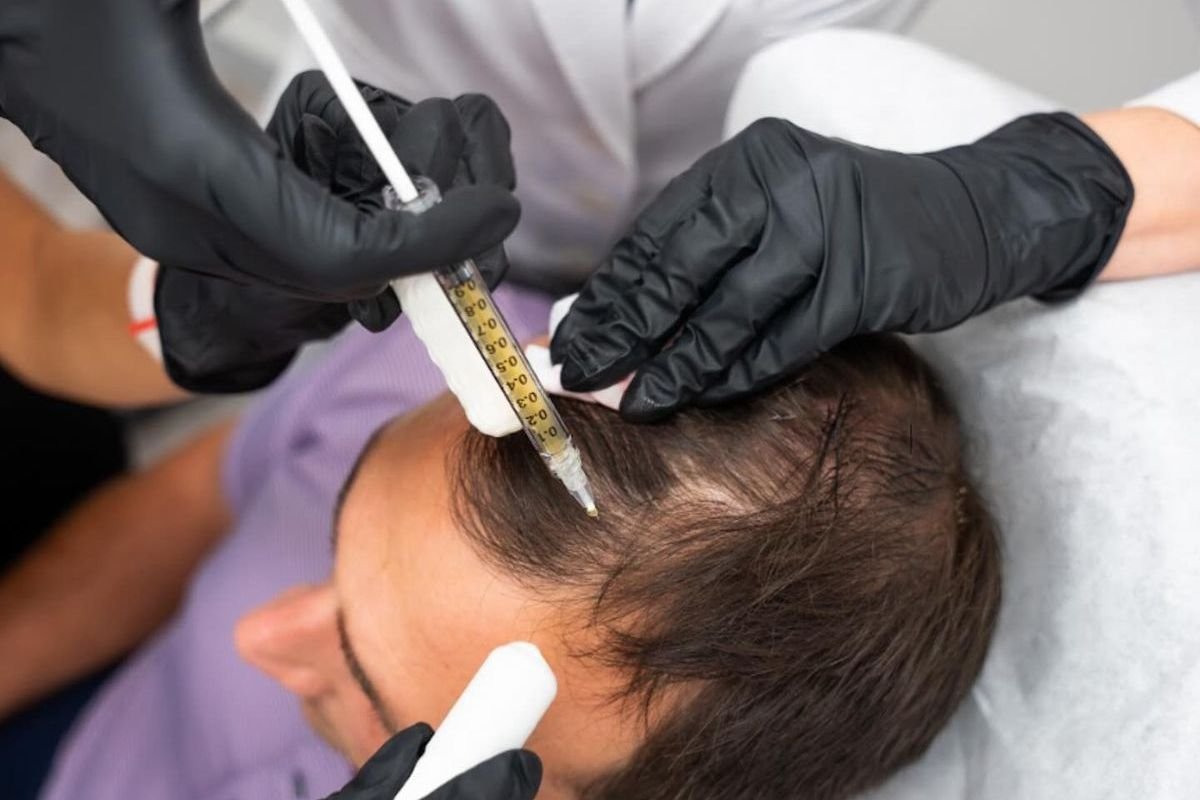
The exact procedure depends on the indication, the equipment used, and the clinician's treatment protocol. A typical PRP procedure may involve the following stages.
1. Initial Medical Consultation
The clinician reviews the patient's medical history, current concerns, medications, allergies, and relevant health conditions. For a dermatological concern, the assessment may also include an examination of the skin or scalp.
This stage helps determine whether PRP is appropriate or whether another diagnostic assessment or treatment would be more suitable.
2. Blood Collection and Processing
If the procedure is clinically appropriate, a blood sample is collected using standard medical precautions. The sample is processed using a suitable centrifugation system to separate the desired plasma fraction.
The volume of blood collected and the processing protocol vary according to the equipment and treatment plan. A single volume should not be assumed to apply to every patient.
3. Application of the Prepared PRP
The prepared plasma is applied or administered according to the intended indication and the clinician's protocol. Different applications may use different techniques.
For example, certain dermatological procedures may involve topical application alongside a selected procedure, while some hair-related protocols involve injections into the scalp. These techniques are not interchangeable, and the appropriate method must be determined by the treating professional.
4. Aftercare and Follow-Up
The clinician provides instructions based on the procedure performed. These may cover skin or scalp care, activities to avoid temporarily, warning signs, and the timing of follow-up.
Patients should follow their clinician's instructions rather than relying on a generic recovery timetable.
Is PRP Suitable for Everyone?
PRP is not appropriate for every person or every skin and hair concern.
Before recommending treatment, a clinician may consider:
-
The patient's general health and medical history.
-
The type and severity of the condition being treated.
-
Blood disorders or platelet-related problems.
-
Active infections or inflammation at the proposed treatment site.
-
Medicines that may affect bleeding or platelet function.
-
Other conditions that could affect the procedure or healing.
-
Previous treatments and the patient's expectations.
These factors do not automatically exclude every patient, but they may affect whether treatment should proceed, be modified, or be postponed.
Patients should disclose all medications and supplements to the treating clinician. Do not stop prescribed medication, including anti-inflammatory medicines or blood thinners, without medical advice.
Potential Benefits, Risks, and Limitations
What Benefits May Be Possible?
Depending on the indication, PRP may offer benefits for selected patients. Research has reported potential improvements in some hair-loss outcomes and certain skin-related measures.
However, evidence differs between indications, and not all studies demonstrate the same results. PRP cannot guarantee smoother skin, increased hair density, or a particular cosmetic outcome.
What Are the Possible Risks?
Although PRP uses material obtained from the patient's own blood, this does not make the procedure risk-free.
Possible adverse effects include:
-
Pain or discomfort during blood collection or application.
-
Temporary redness, swelling, tenderness, or bruising.
-
Bleeding at the treatment site.
-
Infection if appropriate infection-control procedures are not followed.
-
Reactions associated with additional products or procedures used alongside PRP.
The specific risks depend on the technique and the patient's health. A clinician should explain the relevant risks and expected recovery before the patient gives consent.
When Can Results Be Seen?
There is no single timetable for PRP results.
For hair-related applications, assessment may require several months because hair growth occurs gradually. Skin-related outcomes also depend on the indication, technique, and individual response.
Some patients may see improvement, while others may experience limited or no noticeable benefit. The clinician should explain how progress will be assessed and whether additional sessions are being considered.
Why Is a Medical Consultation Important Before PRP?
PRP involves blood collection and a procedure selected for a specific medical or aesthetic purpose. The decision should therefore be based on an appropriate assessment rather than a promise of cosmetic results.
A medical consultation helps patients understand:
-
Whether PRP is appropriate for their condition.
-
Whether further examination or investigation is needed.
-
Which treatment methods and alternatives are available.
-
The potential benefits, limitations, and risks.
-
The expected costs, follow-up requirements, and recovery instructions.
Patients should also ask who will perform the procedure, what qualifications and experience that clinician has, and which equipment and infection-control protocols will be used.
Consult a Dermatology Specialist at Kenak Medika Hospital
Dermatology and venereology, known in Indonesia as Dermatovenereologi, is the medical specialty concerned with skin, hair, nail, and certain genital health conditions.
Kenak Medika Hospital lists dermatovenereology among its specialist services. Patients seeking an assessment for skin or hair concerns can consult the hospital's official specialist directory and dermatovenereology service information.
For accurate information about the specialist currently available, qualifications, and appointment times, check the official doctor schedule or contact the hospital.
A dermatology consultation does not automatically mean PRP is available or suitable. Patients should confirm whether the specialist evaluates the condition in question and whether PRP is offered for that indication.
PRP Treatment at Kenak Medika Hospital, Ubud
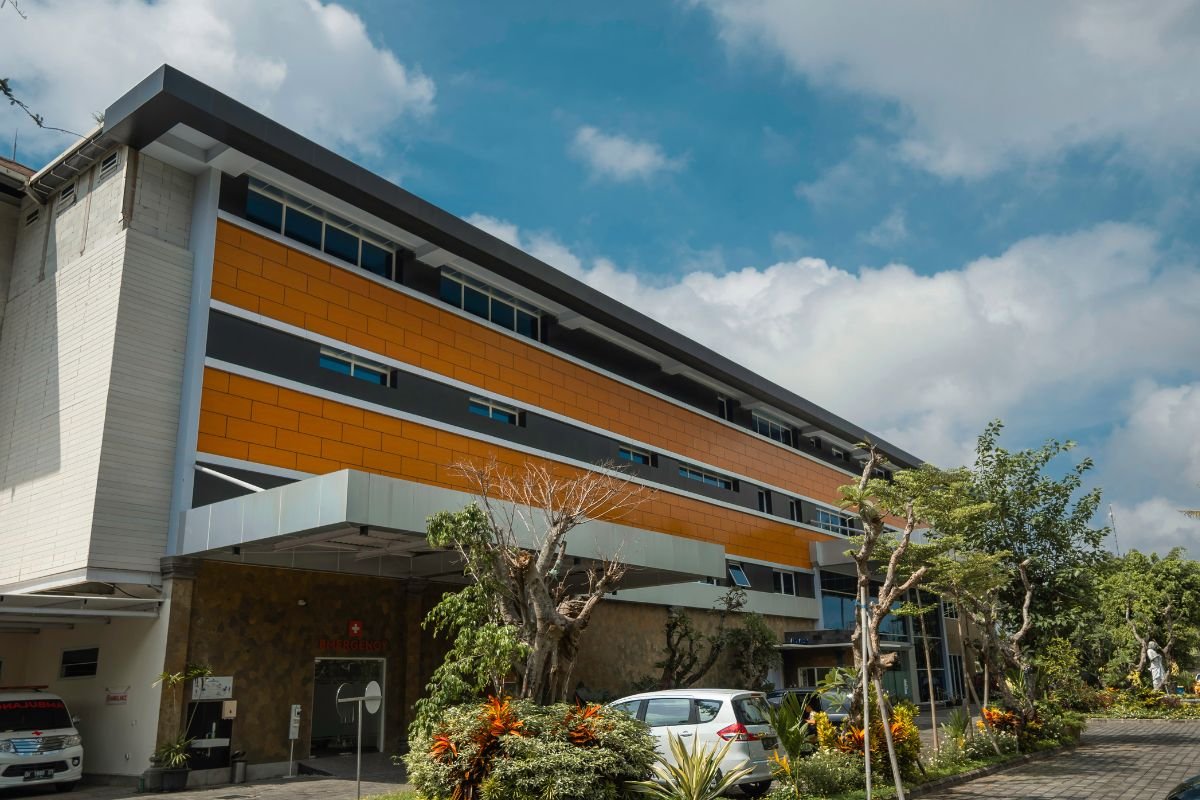
Kenak Medika Hospital is located in the Ubud area of Gianyar, Bali, and serves local patients as well as visitors who need medical care during their stay in Bali.
If you are considering PRP treatment in Ubud, you can contact the hospital to clarify the following points before arranging a visit:
-
Whether PRP treatment is currently available.
-
Whether the service covers your particular skin or hair concern.
-
Which doctor assesses the patient and who performs the procedure.
-
Whether any preliminary examination or laboratory assessment is required.
-
The total cost, including consultation, procedure, and follow-up where applicable.
-
The expected recovery period and aftercare instructions.
These questions help ensure that the treatment plan is based on your medical needs and that you understand the service before making a decision.
Check the Doctor's Schedule
Doctor availability can change, so patients should confirm the current schedule rather than relying on an old article or a previously published appointment time.
Visit the official Kenak Medika Hospital doctor schedule to review available doctors and appointment information.
For other questions about services, registration, and location, visit the Kenak Medika Hospital contact page.
How to Prepare for a PRP Consultation
Before attending a consultation, consider preparing the following information:
1. Your main concern
Explain whether you are seeking advice about skin texture, acne scarring, hair thinning, or another issue. Bring information about when the problem started and any changes you have noticed.
2. Your medical history
Tell the clinician about relevant health conditions, allergies, previous procedures, and any history of bleeding or platelet disorders.
3. Your current medication
Prepare a list of prescribed medicines, over-the-counter products, and supplements. Ask the clinician whether any adjustments are necessary; do not stop prescribed treatment on your own.
4. Your expectations
Ask what improvement may realistically be possible, how success will be assessed, and what alternatives are available if PRP is not appropriate.
5. Your schedule
If you are visiting Bali temporarily, explain your travel dates and whether you can attend follow-up appointments. This is especially important if the proposed treatment requires multiple sessions or monitoring.
Your clinician may provide additional instructions based on your health and the procedure being considered.
Frequently Asked Questions About PRP in Ubud
1. Where can I ask about PRP treatment in Ubud?
You can contact Kenak Medika Hospital in Gianyar, Bali, to ask whether PRP is currently available and whether the service is appropriate for your concern. Check the official contact page for registration information.
2. Does Kenak Medika Hospital provide PRP for skin and hair?
The hospital lists dermatovenereology among its specialist services. However, the availability of specific PRP procedures for skin or hair should be confirmed directly with the hospital before booking.
3. Should I consult a dermatologist before PRP?
A dermatology assessment is advisable when PRP is being considered for a skin or hair concern. A specialist can evaluate the condition, discuss potential benefits and risks, and explain alternative treatments.
4. Is PRP treatment completely safe because it uses my own blood?
No procedure is completely risk-free. Using the patient's own blood reduces certain concerns associated with donor-derived materials, but PRP may still cause pain, bruising, swelling, bleeding, or infection. Individual suitability and appropriate clinical precautions remain important.
5. Does PRP guarantee hair growth or younger-looking skin?
No. Results vary by indication, treatment technique, and individual factors. PRP should not be presented as a guaranteed solution, and a clinician should explain the available evidence for the condition being treated.
6. How many PRP sessions will I need?
The number of sessions depends on the indication, clinical protocol, and individual response. Your clinician can explain the proposed schedule after assessing your condition.
7. How much does PRP treatment in Ubud cost?
The price depends on the specific procedure, the clinical assessment, and the treatment plan. Contact Kenak Medika Hospital for current pricing and confirmation of service availability.
8. Can international patients arrange a consultation?
International visitors can contact Kenak Medika Hospital to ask about available consultations, registration requirements, and appointment arrangements. If you are visiting Bali for a limited time, mention your travel dates when making an enquiry.
9. Where can I check the dermatologist's schedule at Kenak Medika?
Visit the official doctor schedule or contact the hospital to confirm the available dermatovenereology specialist and the next appointment.
10. How do I book a consultation?
Start by checking the doctor schedule, then contact the hospital through the official contact page to confirm availability and the next steps.
Book a Medical Consultation in Ubud
If you are searching for PRP treatment in Ubud, Bali, begin with a medical assessment to understand whether the procedure is appropriate for your skin or hair concern.
Kenak Medika Hospital provides access to specialist medical services in the Ubud area of Gianyar, Bali. Contact the hospital to confirm PRP availability, identify the appropriate clinician, and obtain accurate information about the procedure, cost, and follow-up.
Check the Kenak Medika Hospital doctor schedule or contact the hospital to enquire about a consultation.
Kenak Medika Hospital
Ubud, Gianyar, Bali, Indonesia
Medical disclaimer: This article is intended for general educational purposes and does not replace a consultation, diagnosis, or treatment advice from a qualified healthcare professional. PRP suitability, potential outcomes, and risks vary between individuals. Confirm the availability of the specific service and consult a qualified clinician before proceeding.
You may also enjoy

Oct 19, 2026
blog-writer
Oct 02, 2026
blog-writer


Online Appointments
Online Appointment and Prescriptions
Now, you can book a limited amount of doctors appointmentonline
© 2026 Kenak Medika Hospital. All rights reserved.
Powered by Finitree Indonesia