


Your Health Solution


Health & Wellness
Plague: Recognize the Symptoms, Transmission Risks, and Prevention Methods

Nov 18, 2026
blog-writer
Table of Contents
Plague: Recognize the Symptoms, Transmission Risks, and Prevention Methods
The plague is an infectious disease that needs to be understood because it can develop into a serious condition if not treated immediately. Although it is discussed less frequently than other infectious diseases, recognizing it remains important to raise public awareness about environmental health and the risks of animal-to-human transmission.
The plague is caused by the Yersinia pestis bacteria. This infection is closely associated with rodents and infected fleas. In certain forms, the plague can also be transmitted from human to human through respiratory droplets.
For people living in Ubud, Gianyar, and other areas of Bali, understanding the plague does not mean you need to be overly worried. What is more important is knowing how the infection spreads, recognizing symptoms that require medical attention, and implementing preventive measures based on reliable health information.
1. What is the Plague?
The plague is a zoonotic infectious disease caused by the Yersinia pestis bacteria. Zoonotic diseases are infections that can be transmitted from animals to humans.
In its natural cycle, the plague-causing bacteria can circulate among certain animals, especially small mammals, with fleas acting as the transmission vectors. Humans can become infected when exposed through the appropriate transmission routes.
The plague is historically known for causing massive pandemics. However, this disease is not just a part of history. Human cases are still reported in several parts of the world, making continued vigilance and health monitoring systems necessary.
According to the World Health Organization (WHO), the plague can be treated effectively with appropriate antibiotics. However, treatment must be administered as early as possible because the infection can progress rapidly and cause serious complications.
2. What Causes the Plague?
The primary cause of the plague is the Yersinia pestis bacteria. The presence of this bacteria in the natural transmission cycle is linked to specific rodents and the fleas that can carry the bacteria.
Rats are often associated with the plague, but not all rats carry the disease-causing bacteria. The presence of rats in a house or neighborhood does not automatically indicate that the plague is spreading.
The risk of infection depends on several factors, including whether the bacteria is present in the local environment, whether there are infected animals or fleas, and whether a person experiences exposure that allows transmission.
Therefore, maintaining environmental cleanliness and controlling rodents are essential parts of general environmental health management. However, assessing the presence of the plague in a specific area must be based on official information, not solely on the presence of rats.
3. How is the Plague Transmitted?
Plague transmission can occur through several routes, depending on the form of the infection and the type of exposure.
-
Infected flea bites: Fleas carrying the Yersinia pestis bacteria can transmit the infection when they bite a human. This is one of the most well-known transmission routes of the plague and is primarily associated with bubonic plague.
-
Contact with infected animal tissue or bodily fluids: The bacteria can enter the body through cuts or breaks in the skin when a person has direct contact with the tissue or bodily fluids of an infected animal. Therefore, it is highly advised to avoid handling animal carcasses found dead under unusual circumstances.
-
Respiratory droplets from pneumonic plague patients: Pneumonic plague attacks the lungs and can be transmitted from human to human through respiratory droplets, especially in close-contact situations. This transmission route differs from bubonic plague, which is generally linked to flea bites.
Understanding these differences helps individuals take appropriate action if they experience potential exposure. A history of contact with animals, flea bites, or travel to areas known to have active plague transmission is vital information to share with medical professionals.
4. Plague Symptoms to Watch Out For
Plague symptoms can appear suddenly. The incubation period generally ranges from one to seven days but can vary based on the form of infection and the route of transmission.
Symptoms that may appear include:
-
Fever and chills.
-
Headache.
-
Muscle aches and extreme weakness.
-
Painful swelling of the lymph nodes (buboes).
-
Coughing, chest pain, or difficulty breathing (specifically in pneumonic plague).
Not everyone who experiences a fever or swollen lymph nodes has the plague. These complaints can be caused by various other conditions, so a proper medical examination is necessary to determine the exact cause.
Seek immediate medical attention if you experience difficulty breathing, a decrease in consciousness, or a rapidly worsening condition. If symptoms appear after potential exposure to infected animals or fleas, provide this information to your doctor so an accurate clinical assessment can be made.
5. Three Types of Plague in Humans
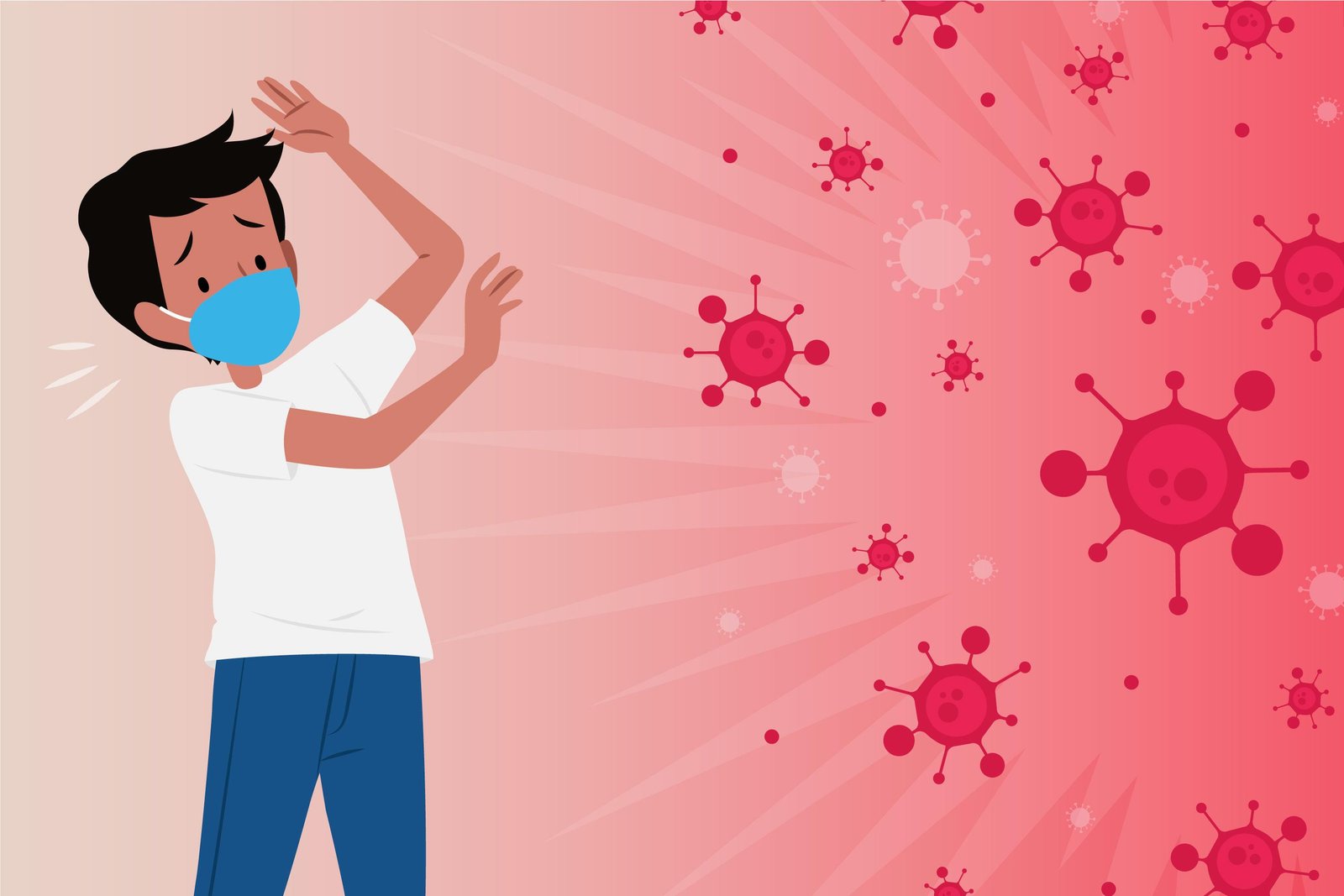
The plague has three main clinical forms: bubonic plague, septicemic plague, and pneumonic plague. The differences lie in the affected body parts and how the infection develops.
-
Bubonic plague: This is the most common form of the disease. Its hallmark is the painful swelling of the lymph nodes (known as buboes), usually in the groin, armpit, or neck area. The swelling can be accompanied by fever, chills, and weakness. These symptoms require medical evaluation, especially if there is a relevant history of exposure.
-
Septicemic plague: Septicemic plague occurs when the bacteria spread and multiply in the bloodstream. This condition can cause circulatory disturbances, bleeding under the skin, tissue necrosis (damage), and even organ failure. This form is a severe condition that requires immediate, emergency medical attention.
-
Pneumonic plague: Pneumonic plague attacks the lungs. Patients may experience fever, cough, chest pain, and difficulty breathing. In some cases, the cough may produce blood. This form requires special attention because it is the only type that can be transmitted from human to human via respiratory droplets. Early intervention and infection prevention measures are absolutely crucial if this form is suspected.
6. How Do Doctors Diagnose the Plague?
A plague diagnosis cannot be determined based on symptoms alone. A doctor will evaluate the patient's overall condition, travel history, potential contact with animals or fleas, and the progression of the symptoms experienced.
If an infection is suspected, laboratory tests can be performed to help confirm the presence of the bacteria. The type of sample used depends on the clinical condition, such as blood, sputum, or fluid aspirated from a swollen lymph node.
In cases of suspected severe plague, treatment should not be delayed while waiting for laboratory results. The doctor will initiate action based on the patient's condition, the level of clinical suspicion, and applicable medical guidelines.
7. Plague Treatment and the Importance of Early Intervention
The plague can be successfully treated with appropriate antibiotics. The choice of medication, method of administration, and duration of treatment are determined by the doctor based on the form of the disease, its severity, and the patient's specific health condition.
Early intervention is vital because the infection can progress rapidly, particularly when the bacteria spread to the bloodstream or lungs. In severe cases, patients may require hospitalization and extensive supportive therapy.
Do not use leftover antibiotics or attempt to self-treat suspected plague. If you have strong reasons to suspect this infection, seek medical help immediately and provide a complete history of your potential exposure.
Decisions regarding testing, treatment, and potential referrals must be tailored to the patient's clinical needs and the capabilities of the healthcare facility.
8. How to Prevent the Plague at Home and in the Community
Plague prevention focuses on reducing exposure to fleas and potentially infected animals. The following habits also help maintain overall environmental cleanliness.
-
Manage waste and store food properly: Use covered trash cans, clean up food scraps promptly, and store food in secure containers. A clean environment that does not provide open food sources can significantly reduce the area's attraction for rodents.
-
Avoid contact with animal carcasses: Do not touch or move the carcasses of rats or wild animals found dead under unusual circumstances. If multiple dead animals are found in close succession, contact environmental health officials or local authorities for guidance.
-
Implement safe pest control: If signs of rodents are found, carry out pest control safely and according to the instructions of relevant officials. In areas known to have active plague transmission, flea control must be heavily considered because handling rodents without proper flea control can actually increase human exposure in certain situations.
-
Pay attention to health advisories when traveling: Before visiting areas known to have plague transmission, seek information from health authorities regarding recommended protective measures. If symptoms appear after traveling, clearly state your travel history and potential exposure during your medical examination.
9. What Do the People of Ubud and Bali Need to Know?
For the people of Ubud, Gianyar, and Bali in general, information about the plague needs to be understood within the local health context. An educational article about this disease does not mean that an outbreak is currently occurring in the region.
To find out the current health situation, the public should always refer to official information from the Indonesian Ministry of Health (Kemenkes RI), local health departments, or relevant authorities. Verified information is crucial so the public does not draw panicked conclusions based on unconfirmed rumors.
In daily life, proper waste management, safe food storage, and avoiding direct contact with sick or dead animals are standard parts of efforts to maintain environmental health. However, if someone experiences serious symptoms, these preventive steps do not replace the critical need for a professional medical examination.
Kenak Medika Hospital Ubud is one of the premier healthcare facility options for the community needing information regarding consultation services and medical examinations. For suspected infectious diseases requiring specialized testing, patients or families can contact the hospital in advance to confirm service availability and potential referral needs.
10. Plague FAQs
-
Is the plague dangerous? The plague can be a life-threatening condition, especially if it develops into septicemic or pneumonic plague. Early medical intervention is crucial to reduce the risk of severe complications.
-
Can the plague be cured? Yes. The plague can be effectively treated with appropriate antibiotics. Testing and treatment as early as possible are highly important for a full recovery.
-
Is the plague transmitted from human to human? Human-to-human transmission can occur in pneumonic plague via respiratory droplets. Meanwhile, bubonic plague is generally associated with infected flea bites and does not spread directly between people.
-
Do all rats carry the plague-causing bacteria? No. Not all rats carry Yersinia pestis. The risk depends entirely on the presence of the bacteria in the local transmission cycle and the likelihood of human exposure to infected fleas.
-
Is the plague found in Bali? The presence of active plague cases in Bali at any given time must be confirmed through the latest official health data. General educational information about the plague cannot be used as evidence that an outbreak is occurring in the area.
-
When should I seek medical help if I suspect the plague? Seek immediate emergency help if you experience severe symptoms such as difficulty breathing or a decrease in consciousness. A sudden, high fever following potential high-risk exposure (like a flea bite or handling a dead animal) should also be evaluated by medical professionals right away.
Conclusion
The plague is an infection caused by the Yersinia pestis bacteria that can develop into a highly serious condition. Understanding the transmission methods, recognizing the symptoms, and knowing the importance of early antibiotic treatment helps the public make more appropriate and swift decisions when facing potential exposure.
For the people of Ubud and Bali, health information should always refer to official sources and should not be used to conclude the presence of an outbreak without concrete evidence. If you experience concerning symptoms, seek medical help immediately.
Kenak Medika Hospital Ubud — Feel Better, Get Better.
(Note: This article is intended as general health education material and is not a substitute for professional medical consultation, diagnosis, or treatment. Before publication, this article should be reviewed by a doctor or designated medical professional at Kenak Medika).
You may also enjoy



Oct 19, 2026
blog-writer

Oct 02, 2026
blog-writer

Online Appointments
Online Appointment and Prescriptions
Now, you can book a limited amount of doctors appointmentonline
© 2026 Kenak Medika Hospital. All rights reserved.
Powered by Finitree Indonesia