


Your Health Solution


News & Events Hospital
Know Nipah Virus in Bali and Hospital Preparedness
Jan 28, 2026
Marketing
Know Nipah Virus in Bali and Hospital Preparedness
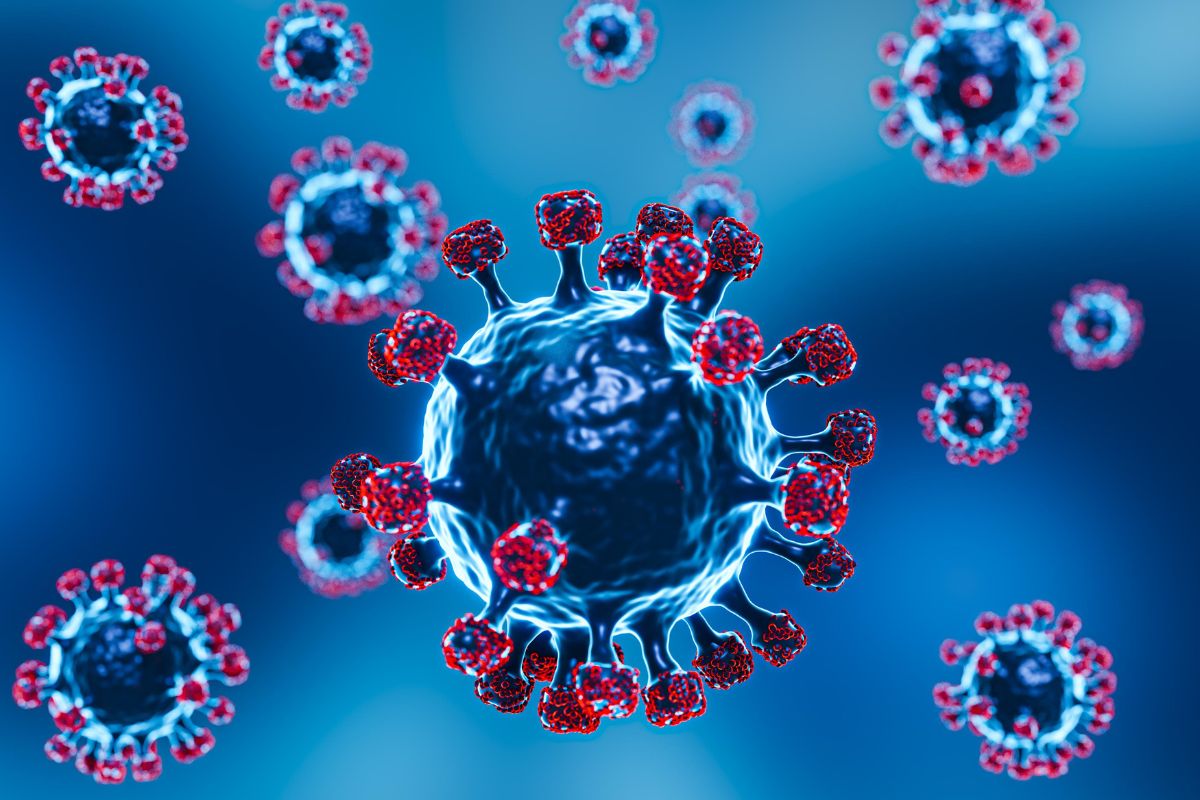
Public awareness of infectious diseases has increased significantly since the global Covid-19 pandemic. The term virus is now commonly discussed in news, social media, and daily conversations. One virus that continues to attract global attention is the Nipah Virus, a zoonotic virus that can cause serious illness in humans.
In Bali, a world-renowned tourist destination with high international mobility, questions such as “Virus Nipah in Bali?” are becoming more common. People want to understand the potential risks, the symptoms of Nipah virus infection, and how hospitals in Ubud, including Kenak Medika Hospital, are prepared to respond to emerging infectious diseases.
This informational article discusses the Nipah Virus, its relationship to global health concerns following Covid-19, and the role of hospitals in Ubud and Bali in prevention, early detection, and management of viral diseases. It also naturally addresses common questions such as what disease Nipah virus causes, whether Nipah virus already exists in Indonesia, whether Nipah virus has a cure, where Nipah virus has been found in India, common symptoms, and how to prevent virus transmission.
Understanding Viruses as Causes of Infectious Diseases
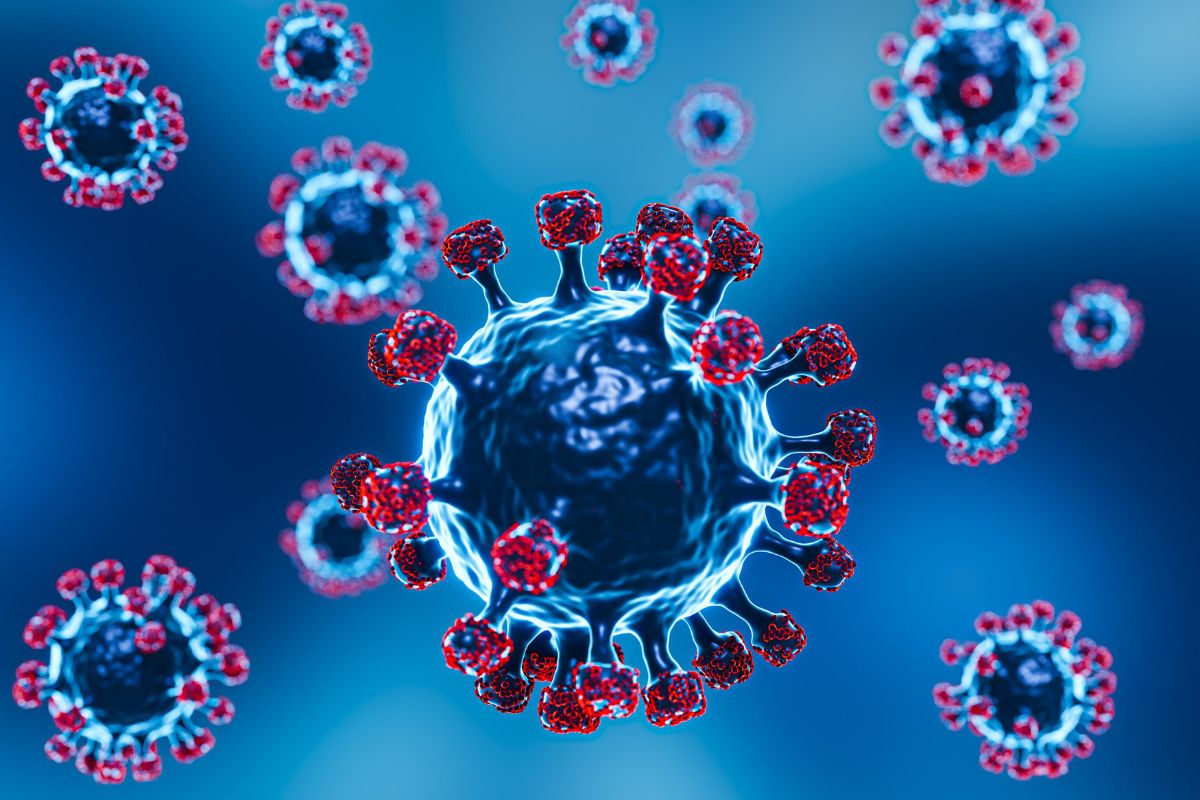
Viruses are microscopic organisms that can only replicate inside living cells. Many human diseases are caused by viruses, ranging from the common cold to more severe illnesses such as Covid-19, Ebola, and Nipah Virus.
Most viruses primarily affect the respiratory system, digestive system, or nervous system, but some can also impact the eyes, skin, and other organs. Because of this wide range of effects, early detection and proper screening in healthcare facilities are essential.
Hospitals in Ubud, including Kenak Medika Hospital, implement patient screening systems to identify early signs of infectious disease such as fever, respiratory symptoms, and neurological complaints.
Getting to Know Nipah Virus
Nipah Virus is a zoonotic virus, meaning it can be transmitted from animals to humans. It was first identified in the late 1990s in Southeast Asia. Since then, multiple countries have reported Nipah virus cases with varying degrees of severity.
The early outbreak associated with Nipah virus Malaysia provided important insight into how the virus can spread through close contact with infected animals and contaminated environments. Over time, cases have also been reported in Bangladesh and India.
Nipah Virus is considered dangerous because it can cause severe respiratory illness and inflammation of the brain (encephalitis).
What Disease Does Nipah Virus Cause?
Nipah Virus causes an acute infection that may progress to encephalitis (brain inflammation) and severe respiratory disease. The illness often begins with flu-like symptoms and can worsen rapidly in some patients.
In severe cases, Nipah virus infection can lead to seizures, coma, and even death. Some survivors may experience long-term neurological complications.
Symptoms of Nipah Virus Infection
Symptoms of Nipah virus infection can vary from person to person. Early symptoms are often non-specific and may resemble other viral illnesses.
Common symptoms include fever, headache, muscle pain, fatigue, nausea, and vomiting. As the disease progresses, patients may develop difficulty breathing, confusion, decreased consciousness, and seizures.
Because early symptoms are similar to many other infections, medical evaluation is important when symptoms worsen or persist.
Causes and Transmission of Nipah Virus
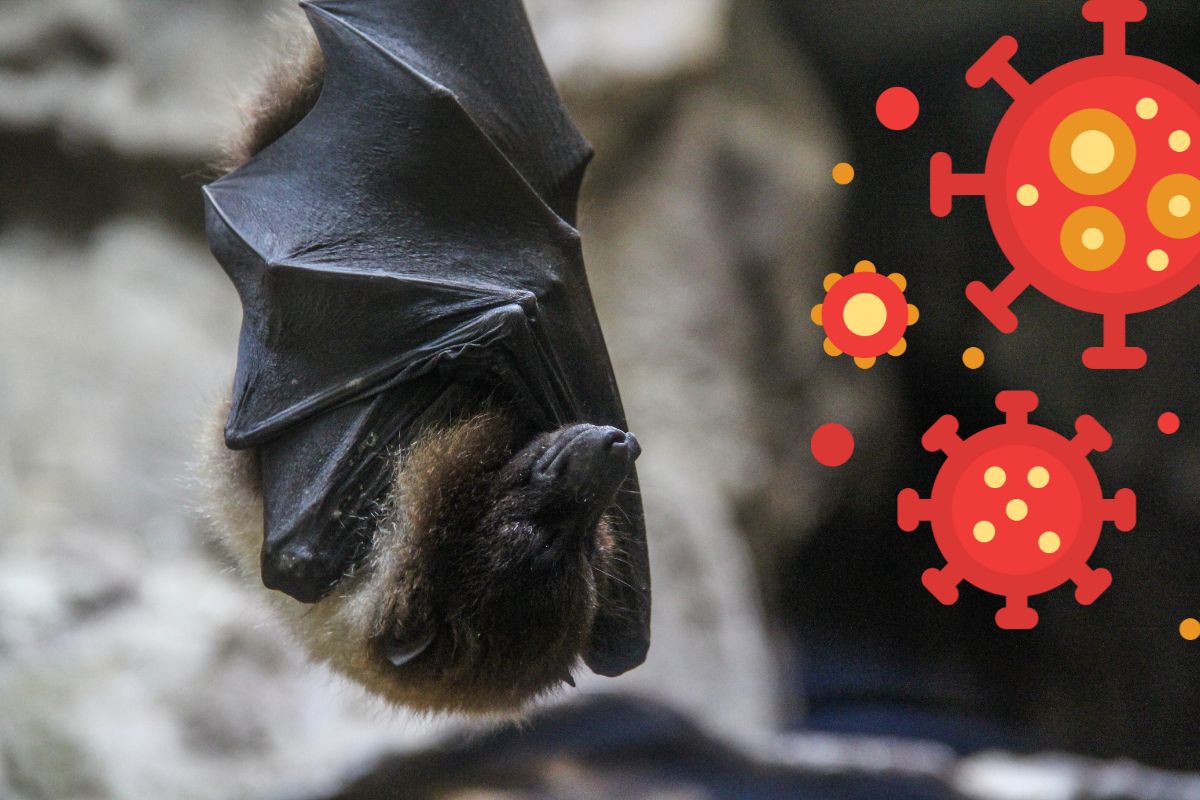
The cause of Nipah virus infection is exposure to the virus from its natural reservoir, which is fruit bats. Transmission may occur through direct contact with infected animals, consumption of contaminated food or drinks, or close contact with infected individuals.
Environmental factors, hygiene conditions, and human-animal interaction all play a role in the risk of transmission.
Nipah Virus Cases Around the World
Nipah virus cases were first reported in Malaysia and later identified in Bangladesh and India. Many people ask, where is Nipah virus found in India? Most reported outbreaks in India have occurred in the state of Kerala.
To date, there has been no official report of large-scale Nipah virus outbreaks in Indonesia. However, health authorities emphasize the importance of continued surveillance and preparedness.
Nipah Virus in Bali?
Questions about Nipah Virus in Bali often arise due to Bali’s status as an international travel hub. Currently, there are no confirmed reports of Nipah virus cases in Bali.
Nevertheless, hospitals in Bali remain vigilant and prepared to manage potential infectious disease cases through screening, isolation procedures, and coordination with public health authorities.
Does Nipah Virus Already Exist in Indonesia?
At this time, there are no confirmed widespread outbreaks of Nipah virus Indonesia. However, Indonesia is located in a region where fruit bats are present, which means potential risk cannot be completely ruled out.
This is why preparedness, surveillance, and public education are essential components of national health strategies.
Is There a Cure for Nipah Virus?
Currently, there is no specific antiviral medication that can cure Nipah virus infection. Treatment is mainly supportive and focuses on managing symptoms and complications.
Supportive care may include oxygen therapy, fluid management, seizure control, and intensive care support for severe cases. Research into vaccines and antiviral therapies is ongoing.
Prevention of Nipah Virus
Prevention of Nipah virus focuses on reducing exposure and transmission risk. Avoiding consumption of food that may be contaminated, practicing good hand hygiene, and avoiding contact with sick animals are important preventive measures.
Healthcare workers use personal protective equipment when caring for suspected cases to reduce transmission risk.
How to Prevent Virus Transmission in General
Lessons learned from Covid-19 highlight the importance of basic infection prevention measures. Regular handwashing, wearing masks when ill, maintaining physical distance when necessary, and maintaining a healthy immune system are effective ways to reduce the spread of viruses.
Hospitals in Ubud apply strict infection control protocols to protect patients, visitors, and healthcare staff.
The Role of Hospitals in Ubud in Infectious Disease Preparedness
Hospitals in Ubud play an important role in Bali’s healthcare system. They serve local residents, expatriates, and international travelers.
Kenak Medika Hospital, as a hospital in Ubud, develops preparedness systems that include patient screening, infection control protocols, and collaboration between medical departments.
Kenak Medika Hospital and Its Readiness for Viral Diseases
Kenak Medika Hospital provides comprehensive medical services including emergency care, laboratory testing, radiology, and specialist consultations.
The hospital is equipped to perform early detection of infectious diseases, provide isolation when needed, and deliver supportive medical care according to clinical standards.
The Role of Ophthalmologists in Detecting Systemic Diseases
Ophthalmologists, or eye doctors, do more than treat vision problems. They may also identify signs of systemic disease through eye examinations.
Some viral infections can cause eye redness, inflammation, or visual disturbances. Therefore, the availability of ophthalmologist services in Ubud hospitals contributes to comprehensive patient evaluation.
Viral Infections and Eye Health
Certain viruses can cause conjunctivitis, uveitis, or optic nerve involvement. Eye examinations can provide clues that prompt further medical evaluation.
This highlights the importance of integrated care involving general practitioners, specialists, and ophthalmologists.
The Importance of Public Education
Public education about viruses, including Nipah Virus, helps reduce panic and encourages appropriate preventive behavior.
Accurate information empowers people to recognize early symptoms, seek timely medical care, and follow preventive measures.
When Should You Visit a Hospital?
Seek medical attention if you experience high fever, breathing difficulty, severe headache, confusion, seizures, or persistent symptoms.
If eye complaints are accompanied by systemic symptoms, consultation with an eye doctor and general physician is recommended.
Commitment of Hospitals in Bali to Community Health
Hospitals in Bali, including Kenak Medika Hospital, are committed to providing safe, professional, and patient-centered healthcare services.
Through preparedness for infectious diseases, hospitals help maintain public trust and support the health of both local and international communities.
Conclusion
Nipah Virus is a zoonotic infection that can cause serious disease. Currently, there are no confirmed cases of Nipah Virus in Bali, but vigilance remains important.
Kenak Medika Hospital, as a hospital in Ubud, plays a key role in preparedness through screening, infection control, and comprehensive medical services.
By understanding symptoms, prevention strategies, and the importance of medical consultation, individuals can take proactive steps to protect their health and the health of those around them.
You may also enjoy

Oct 02, 2026
blog-writer



Sep 15, 2026
blog-writer

Online Appointments
Online Appointment and Prescriptions
Now, you can book a limited amount of doctors appointmentonline
© 2026 Kenak Medika Hospital. All rights reserved.
Powered by Finitree Indonesia